What Is the Oldest Winery in Stellenbosch?
The oldest winery in Stellenbosch, from Muratie's 1680s cellar to Spier's 1692 farm, why dating the 'oldest' is contested, and which estates you can visit.
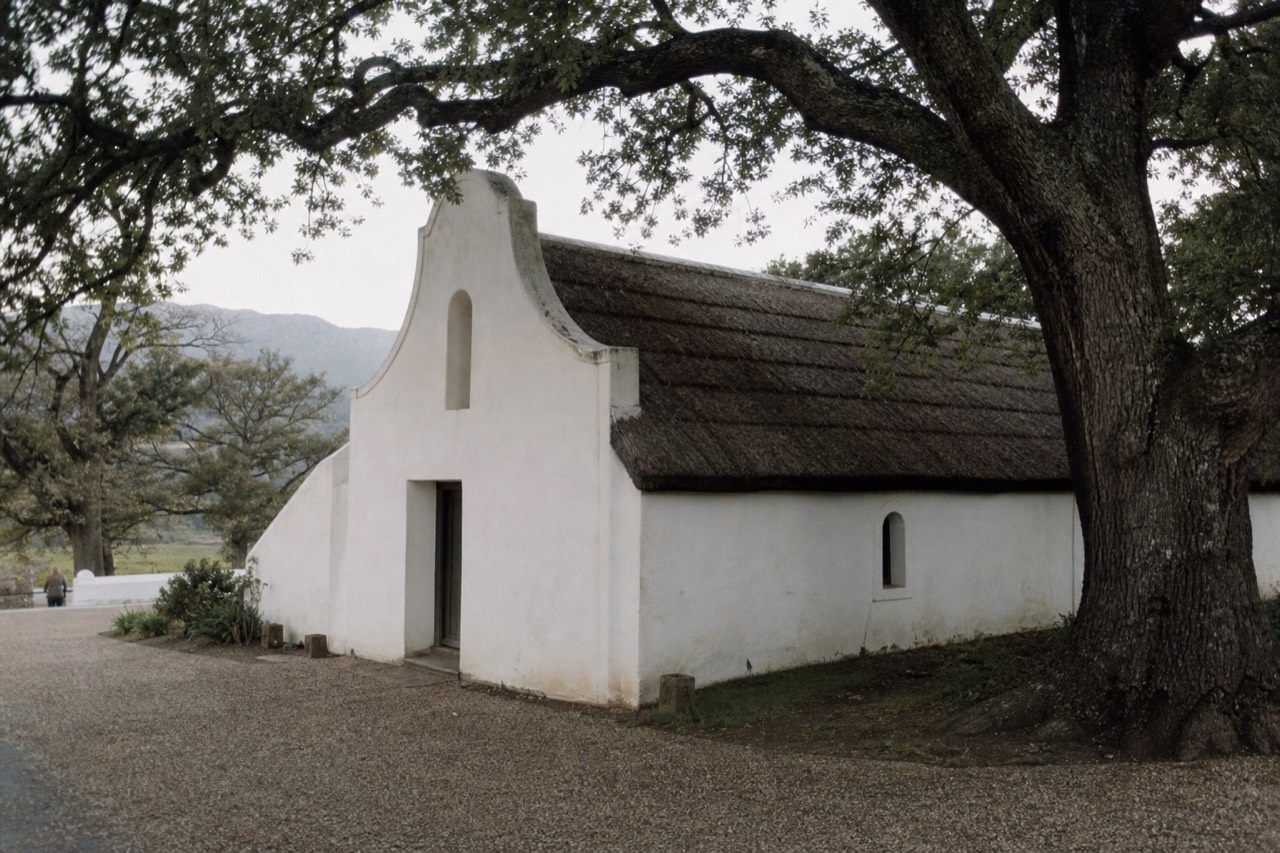
Simon van der Stel rode out to a river island in 1679, liked the soil and the water, and stamped his name on the place. Stellenbosch, "Stel's bush," became the second European settlement in the Cape, and grapes followed within a few years. That head start is why the town wears its history so openly, and why more than one estate will tell you it is the oldest.
What is the oldest winery in Stellenbosch?
The estates usually named as the oldest in Stellenbosch are Muratie, whose cellar dates to the 1680s, and Spier, farming since 1692. The town was founded in 1679. There is no clean single answer, because an estate can date its age from the original land grant, its first planted vines, or its record of unbroken winemaking, and those give different years.
Age is a genuine reason to choose a farm here, but the "oldest" claim needs a pinch of salt. Muratie's low, rough-walled cellar leans hard into the estate's seventeenth-century roots, and Spier counts its farming back to 1692, which puts both among the region's founders. Spier's size adds a second claim to fame: it is also among the country's biggest wine estates that you can actually tour. Others trace deep histories too. The table below sets out the historic Stellenbosch estates most worth knowing, with the honest basis for each date.
| Estate | Historic marker | Still open to visit? | Known for |
|---|---|---|---|
| Muratie | Cellar traced to the 1680s | Yes, candlelit tastings | Port-style wines, atmosphere |
| Spier | Farming since 1692 | Yes, large public estate | Frans K. Smit reds, gardens |
| Simonsig | Family estate, Cape's first Cap Classique in 1971 | Yes | Kaapse Vonkel sparkling |
| Muratie's Simonsberg neighbours | Among the eight 1973 estate-status farms | Most open | Classic reds, history |
| Vergelegen (Somerset West) | Founded 1700, just outside the district | Yes | Historic gardens, five-star wines |
When was Stellenbosch founded, and when did winemaking start?
Stellenbosch was founded in 1679 by Simon van der Stel, then governor of the Cape, making it the oldest town in South Africa after Cape Town. Vines were planted within a few years, and by the late 1680s the first farms were pressing wine. The Stellenbosch Wine Route, founded in 1971, was the country's first, and marks its fifty-fifth anniversary in 2026.
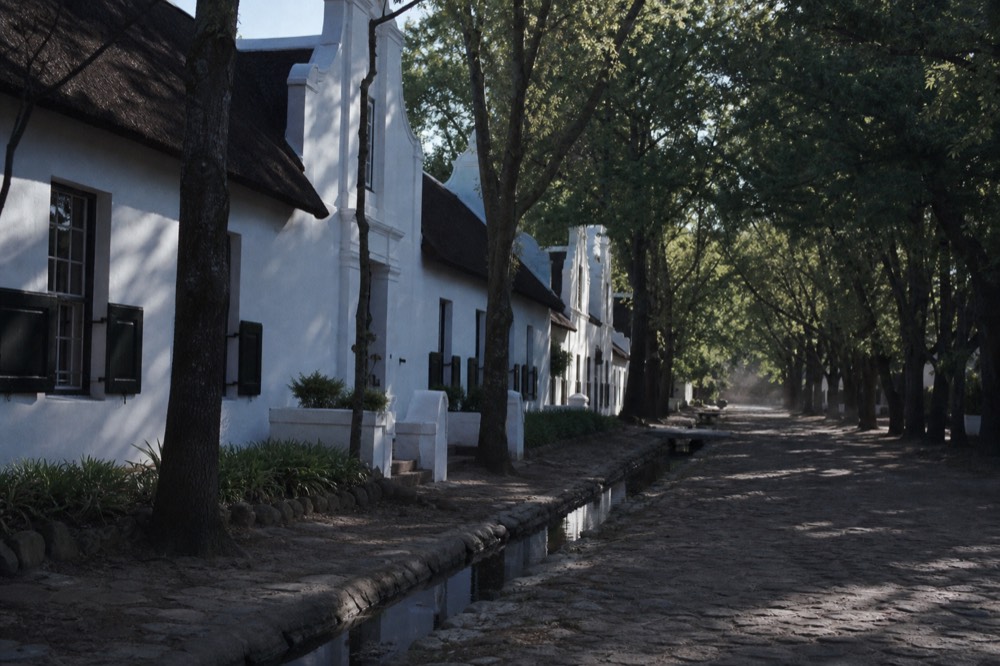
That 1679 date is the anchor for everything that followed. The Stellenbosch Wine Route organised the modern industry three centuries later, and it remains the model other regions copied. For the wider picture of what Stellenbosch is famous for, the town's age is a big part of the story, alongside the vineyards and the university. The oak-lined streets you walk today follow the original layout.
Which historic estates can you still visit?
Most of the oldest Stellenbosch estates still open their cellar doors. Muratie pours in candlelight in a cellar from the 1680s, Spier runs a large public estate with restaurants and gardens, and Simonsig, which made the Cape's first bottle-fermented sparkling in 1971, welcomes visitors. Several of the eight farms granted South Africa's first estate status in 1973 sit on the Simonsberg nearby.
When the 1973 Wine of Origin scheme created estate status, eight of the first fourteen farms were in Stellenbosch: Alto, Middelvlei, Muratie, Neethlingshof, Overgaauw, Simonsig, Uiterwyk and Verdun, now Asara. That cluster of history is unusually dense for one district. Many of these appear in the ranked guide to the best wine farms in Stellenbosch, and the sheer count is covered in how many wine farms are in Stellenbosch. A single trip can string several of the old estates together.
What makes the old cellars worth the trip?
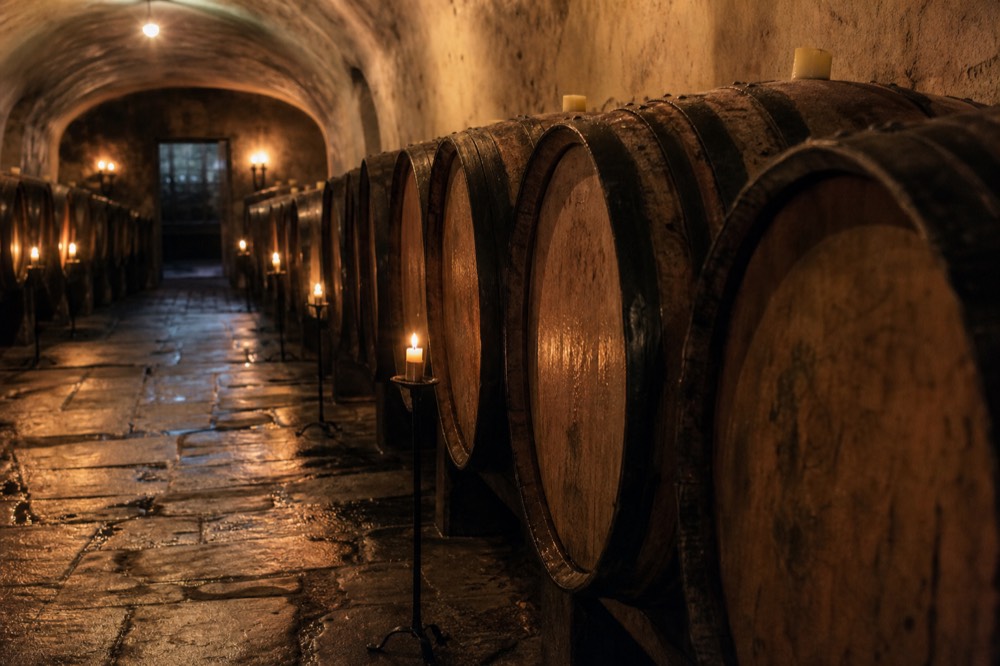
The old estates trade atmosphere for polish. Muratie's candlelit tastings, Spier's centuries-old farm buildings and Simonsig's founding role in Cape sparkling give a sense of place that newer, glossier venues cannot match. For visitors who care about history as much as the wine in the glass, these farms turn a tasting into a walk through the region's past.
There is a real difference in feel. A modern glass-walled tasting room impresses with the view; a rough-walled seventeenth-century cellar impresses with age. If the history is the draw, pair the old farms with things to do in Stellenbosch in the town itself, where the museums and streets carry the same story. Many of these estates also pour the reds that made the region, so the best wine from Stellenbosch and its oldest cellars often overlap. You can check current dates and prices for a day that includes a cellar tour, or browse the full-day tours on the homepage first.
How do you visit the historic wine farms?
Most historic estates sit minutes apart but on winding roads, so a guided day or a hop-on pass reaches several without anyone driving after tasting. South Africa's drink-driving limit is 0.05 grams per 100 millilitres, and a flight of small pours climbs toward it quickly. A half-day tour suits a single historic stop with a town walk; a full day links three estates.
If your interest is the history rather than a marathon of tastings, a shorter trip can be plenty. The half-day keeps a cellar visit and time in the old town but trims the hours, and you can check current dates and prices for it beside the flexible hop-on-hop-off routes that let you linger at the older farms.
Whichever way you go, the old cellars reward a slower pace than a checklist of tastings allows, and the history stops repay the extra time on the road.
Common questions
What is the oldest wine estate in Stellenbosch?
Muratie, with a cellar traced to the 1680s, and Spier, farming since 1692, are the estates most often named as the oldest. Dating the single oldest winery is contested, because land grants, first vines and unbroken production each give a different starting year.
How old is Stellenbosch itself?
Stellenbosch was founded in 1679 by Simon van der Stel, making it the oldest town in South Africa after Cape Town. Vines were planted within a few years, so winemaking in the district is more than three centuries old.
Is Stellenbosch older than Constantia for wine?
Constantia, in Cape Town, dates its Groot Constantia estate to 1685, and Stellenbosch was founded in 1679 with vines soon after. The two regions grew up almost together in the late seventeenth century, so neither has a clean claim to being first.
Can you visit Stellenbosch's oldest cellars?
Yes. Muratie, Spier and Simonsig all welcome visitors, and several of the eight farms granted South Africa's first estate status in 1973 still open their doors. A guided tour or hop-on pass links them without asking you to drive after tasting.
Which historic estate should I choose for atmosphere?
Muratie is the usual pick for atmosphere, with candlelit tastings in a cellar from the 1680s. Spier offers history at a larger scale with gardens and restaurants. Both give a stronger sense of the region's age than the modern glass-walled tasting rooms.