How Many Wine Farms Are There in Stellenbosch?
How many wine farms are in Stellenbosch? More than 150 farms, over 100 open cellar doors and 200-plus registered producers across eight wards.
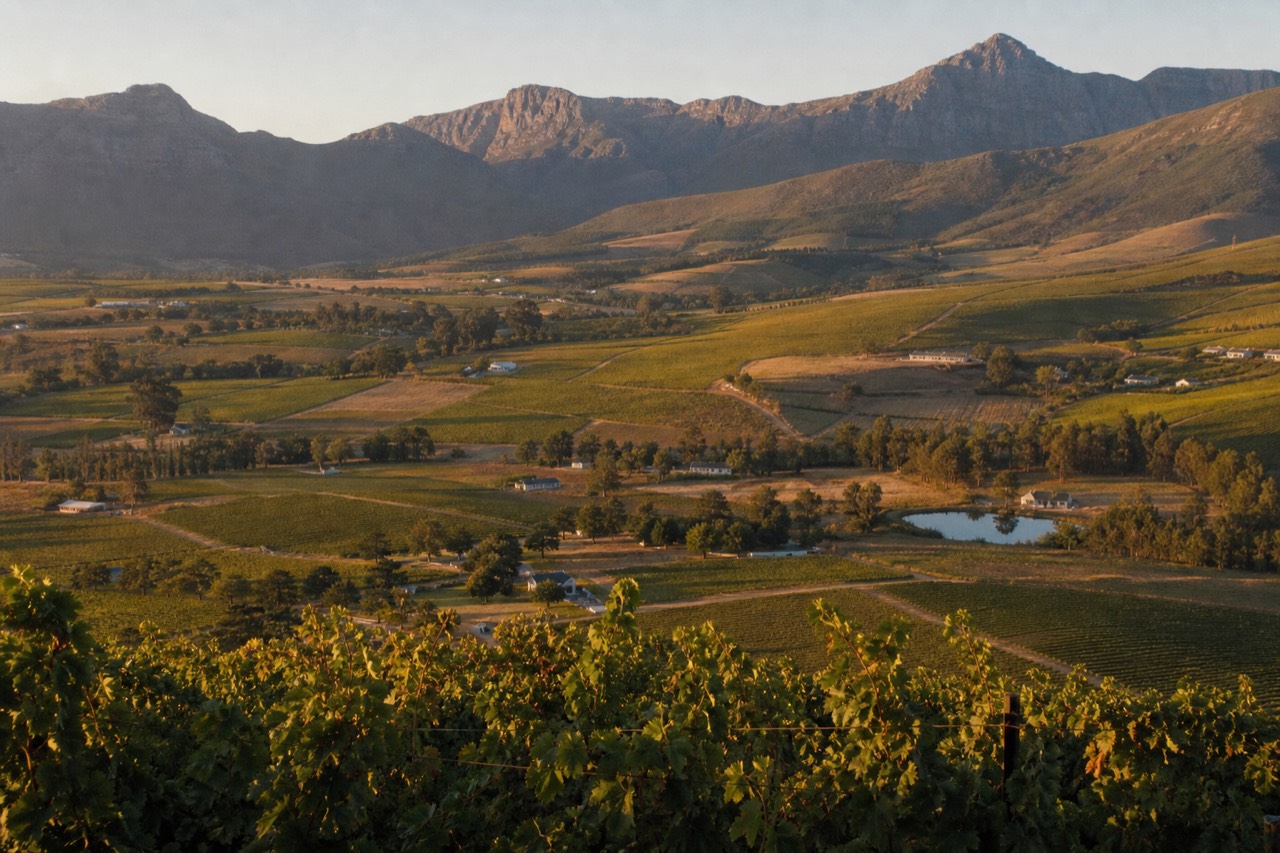
Ask three sources how many wine farms Stellenbosch has and you will get three different numbers, all of them large. The official wine route counts more than 150 farms. Over a hundred of those open their doors to visitors. And more than 200 producers are registered inside the appellation once you count everyone making wine from local grapes. None of these figures is wrong. They just measure different things, which is exactly why the question has no single tidy answer.
How many wine farms are there in Stellenbosch?
Stellenbosch has more than 150 wine farms within its Wine of Origin area, with over 100 cellar doors open to the public and more than 200 registered wine and grape producers in total. The official Stellenbosch Wine Routes body uses the "over 150 farms" figure, spread across five touring sub-routes and eight official wards.
That makes Stellenbosch the densest concentration of wine farms in South Africa, and one of the reasons it carries the country's oldest and best-known wine route, founded in 1971. The official wine route organises the farms into five sub-routes to make the sprawl manageable, because no visitor is going to see 150 of anything. The figure has grown over the decades as new estates planted and old ones reopened their cellar doors, but "over 150 farms, more than 100 open to visitors" is the safe, current way to state it. For the ranked shortlist of which ones actually earn a place on a day out, the guide to the best wine farms in Stellenbosch does the sorting. Count and size are different questions, too: for the single biggest farm nationally, rather than the district's total, see how South Africa's biggest wine estates compare.
| What you count | Figure | Note |
|---|---|---|
| Wine farms in the WO area | More than 150 | The headline figure from the wine route |
| Cellar doors open to visitors | Over 100 | Farms you can actually taste at |
| Registered producers | More than 200 | Includes those not open to the public |
| Official wards | 8 | Sub-regions within the district |
| Vineyard area | About 11,500-11,800 ha | Roughly 13% of the national total |
Why is there no single exact number?
Because "wine farm" means several things at once. Some farms grow grapes but sell to others and have no tasting room. Some make wine but are not open to the public. Some open a cellar door only by appointment. The wine route counts farms, the visitor guides count open cellar doors, and the industry body counts registered producers, so the totals never match.
The gap between "150 farms" and "100 cellar doors" is the most useful thing to understand. A working farm is not the same as a place you can go and taste. Roughly a third of the farms in the area either sell their grapes on, make wine only for the trade, or open to visitors solely by prior arrangement. Then there is the boundary question: the Stellenbosch Wine of Origin appellation has a defined edge, and a handful of famous names sit just outside it in neighbouring districts, so whether you count them changes the total again. The practical takeaway is simple. There are far more farms than you could ever visit, and around a hundred you realistically can, which is more than enough for any trip.
How does Stellenbosch compare to other wine regions?
Stellenbosch has the largest concentration of wine farms and open cellar doors of any South African region, and it holds the country's first and best-known wine route. Neighbouring Franschhoek and Paarl are smaller and more compact, and are often toured together with Stellenbosch on a single winelands day rather than as rivals.
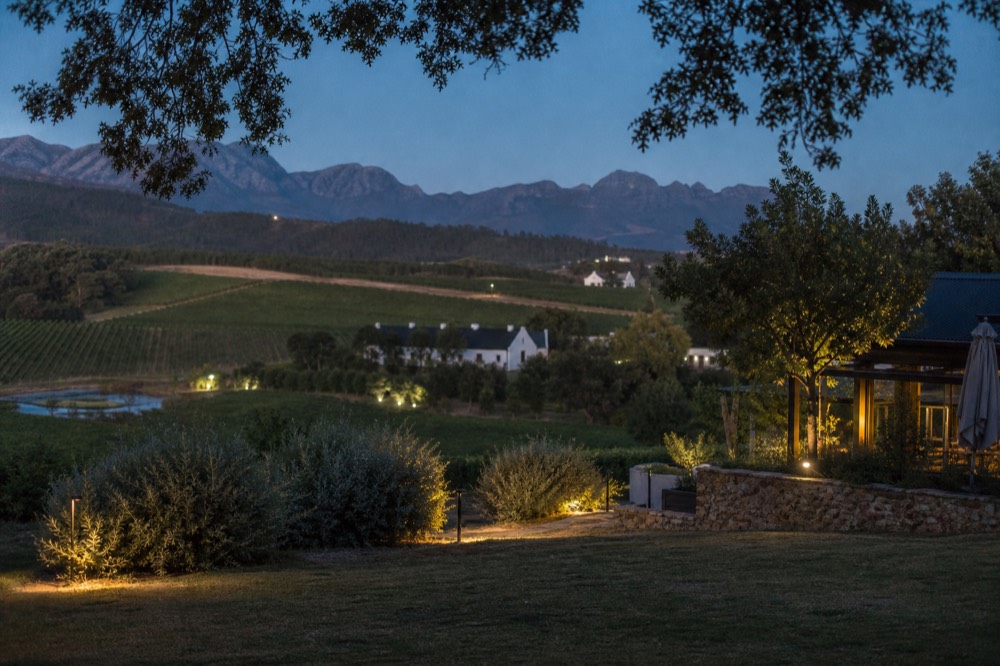
Size is Stellenbosch's defining trait. It packs more farms, more variety of terrain and more award-winning estates into one district than anywhere else in the Cape, which is why it anchors most first-time winelands trips. The depth shows in the results: Stellenbosch took 18 winning red wines in the 2026 National Wine Challenge Top 100, more than any other region in the country. Franschhoek, a short drive east, is prettier and more compact, with its well-known hop-on tram, while Paarl to the north is larger in area but quieter on the visitor circuit. Because the three towns sit within about half an hour of each other, the classic full-day tour crosses all of them, so you are not really choosing between them on a single day out. If you are weighing where to base yourself, the comparison of Stellenbosch or Franschhoek lays out who each suits, and the map of how the farms cluster shows why touring by cluster beats criss-crossing. For the wider view beyond these three towns, the best wineries to visit across the whole country covers Constantia and the Cape's other regions too.
How many wine farms can you actually visit in a day?
Four or five at most, and three is more comfortable. A full-day guided tour usually visits three or four estates over about eight hours, because tastings take time, the farms sit apart on winding roads, and someone has to drive. Trying to cram in more turns a relaxed day into a rushed one and leaves no time to enjoy any single estate.
This is where the big farm count stops mattering and the day's logistics take over. The estates are dispersed across valleys and hills, not lined up on a strip, so even neighbouring farms are a real drive apart. South Africa's drink-driving limit is 0.05 grams per 100 millilitres, and a flight of small pours reaches it faster than people expect, so tasting at several farms means someone stays sober behind the wheel all day. That single fact is why guided days exist. A full-day circuit from Cape Town hands the driving to the operator and picks three or four estates for you, and you can check current dates and prices against the ranked estate guide to see the trade-off. A hop-on tractor or shuttle pass costs less up front and lets you set your own pace, paying tasting fees as you go.
Which of the 150-plus should you prioritise?
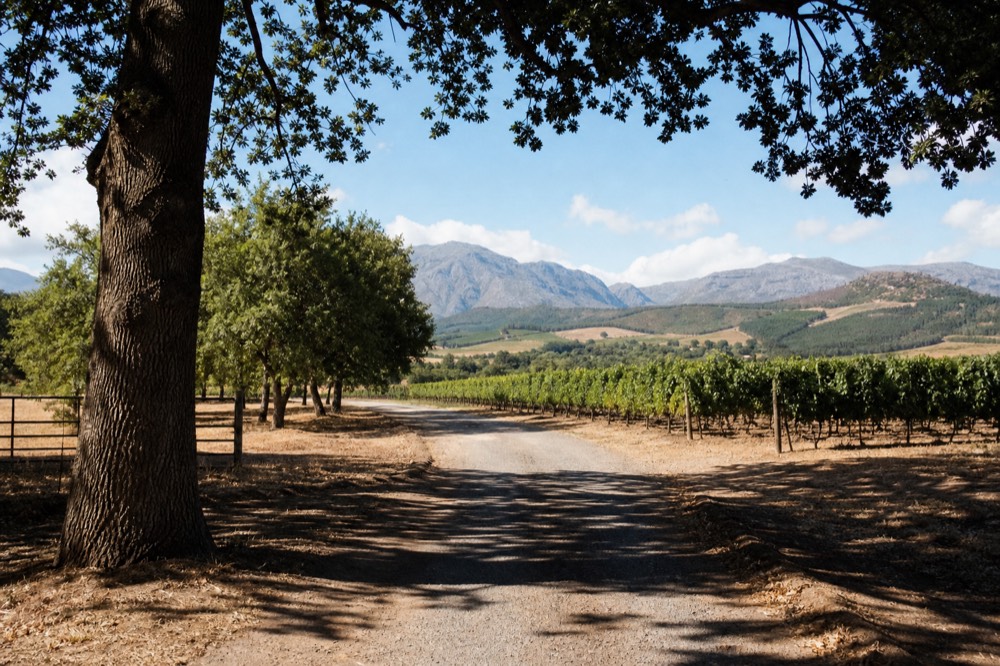
Pick by what you drink and how far you want to travel. For classic reds and Pinotage, aim at the Simonsberg farms like Kanonkop. For views and food, the Helshoogte estates like Tokara and Delaire Graff. For Cape sparkling, Simonsig. For a red-only cellar, Rust en Vrede. A tour operator or a good guide narrows the hundred-plus down to a sensible three or four.
The point of the big number is not to visit all of it, but to know the depth is there. Whatever you like in a glass, Stellenbosch has several farms doing it at a high level, so the real skill is choosing well rather than seeing everything. The ranked guide to the best farms and the breakdown of what a tasting day costs between them turn the hundred-plus open cellar doors into a plan you can actually follow. And if you would rather taste on foot for an afternoon, a guided vineyard walk trades cellar-door hopping for time among the vines. You can compare a light half-day out of Cape Town too, and check current dates and prices on the flexible hop-on options if setting your own pace appeals.
Common questions
How many wine farms are there in Stellenbosch?
More than 150 within the Stellenbosch Wine of Origin area, with over 100 cellar doors open to visitors and more than 200 registered wine and grape producers overall. The exact figure depends on whether you count working farms, public tasting rooms or registered producers, which is why sources vary.
Is Stellenbosch the biggest wine region in South Africa?
It has the largest concentration of wine farms and open cellar doors, and the country's oldest wine route, dating to 1971. Other regions cover more total vineyard area in places, but none matches Stellenbosch for the density of estates you can visit or the number of award-winning names in one district.
How many wine farms can you visit in one day?
Three or four comfortably, five at a push. Full-day guided tours typically stop at three or four estates over about eight hours, since tastings take time and the farms are spread apart. Cramming in more leaves no time to enjoy any single one, and someone still has to stay sober to drive.
How many wine farms are open to the public?
Over 100 cellar doors in the Stellenbosch area welcome visitors, though some open only by appointment or on set days. The rest of the 150-plus farms either sell their grapes on, make wine for the trade, or keep no public tasting room, which is why the visitable number is lower than the total.
Do you need to book to visit Stellenbosch wine farms?
In summer and on weekends, yes, especially at popular estates that ask you to reserve. In winter and midweek, walk-ins are far easier. Guided tours handle the bookings as part of the day, which removes the guesswork about which farms need advance notice.