What is the largest wine farm in South Africa?
What is the largest wine farm in South Africa? The answer depends on whether you mean land, vineyards or production, from Boschendal to Namaqua.
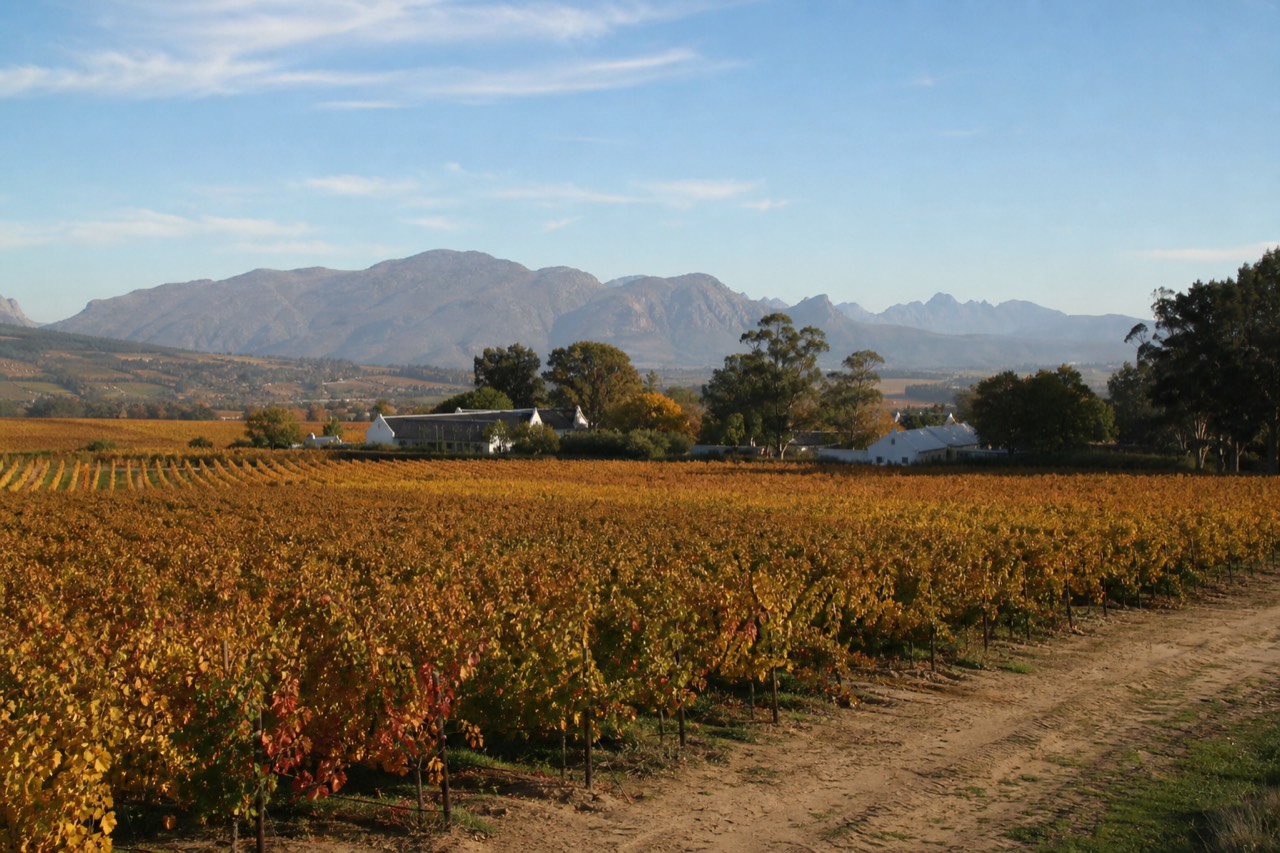
Search for the largest wine farm in South Africa and you will get a confident answer, then a second confident answer that contradicts the first. That is not misinformation. It is the question doing something slippery: "largest" can mean the most land, the most vineyards, or the most wine made, and those three measures point at three different farms in three different corners of the Western Cape. Sort out which one you mean, and the answer stops fighting itself.
What is the largest wine farm in South Africa?
It depends on the measure. By total land area, Boschendal in the Franschhoek and Drakenstein area is among the largest single estates, spanning roughly 2,240 hectares, though only about 200 of those are under vine. By production volume, Namaqua Wines near Vredendal on the West Coast is the country's biggest producer. Neither sits in Stellenbosch, but Stellenbosch has its own giants you can tour. Pick the measure first.
The gap between "biggest farm" and "biggest producer" is the whole confusion in one line. A sprawling estate can devote most of its land to fynbos, orchards, grazing and gardens, with vines as a minority crop. A high-volume cellar can crush enormous tonnage from vineyards it does not even own. So a farm can be huge and make modest wine, or modest in size and make oceans of it.
Largest by land versus largest by production: two different answers
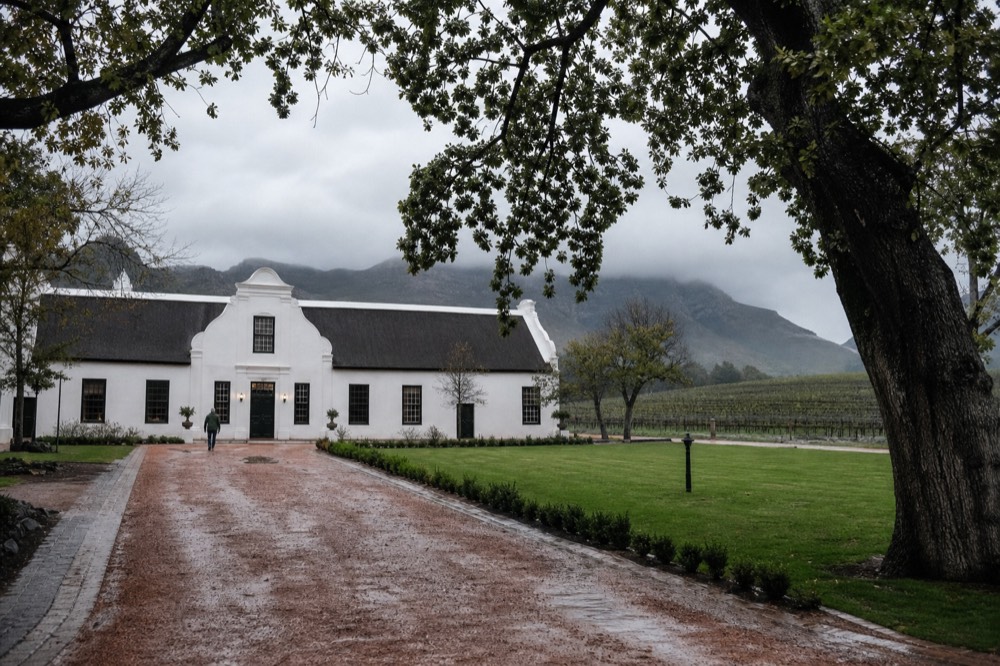
By land, Boschendal is one of the biggest single Cape estates at about 2,240 hectares, with roughly 200 hectares of vines and the rest given to a working farm of orchards, gardens and grazing. By production, Namaqua Wines near Vredendal runs a combined capacity around 100,000 tons across two cellars and sells more than 35 million litres worldwide. Same word, two very different champions. Land and litres do not agree.
| Measure | Leading name | Scale | Where | Can you tour it? |
|---|---|---|---|---|
| Total land area | Boschendal | ~2,240 ha, ~200 ha vines | Franschhoek / Drakenstein | Yes, public estate |
| Production volume | Namaqua Wines | ~100,000-ton capacity, 35M+ litres sold | Vredendal, West Coast | Cellar visits, remote |
| Large visitable Stellenbosch estate | Spier | ~650 ha of restored land plus 700+ ha contracted vines | Stellenbosch | Yes, extensive facilities |
Namaqua's numbers are the ones that make people blink. Its Vredendal cellar can take in around 2,000 tons of grapes a day at harvest, cool-fermenting the lots in what is described as one of the Southern Hemisphere's largest temperature-controlled cellars, while its Spruitdrift cellar handles most of the reds. That is an industrial scale of winemaking, far from the boutique cellar-door image most visitors have. And it sits on the remote West Coast, hours from the tourist Winelands, so "biggest producer" and "best day out" are simply not the same farm.
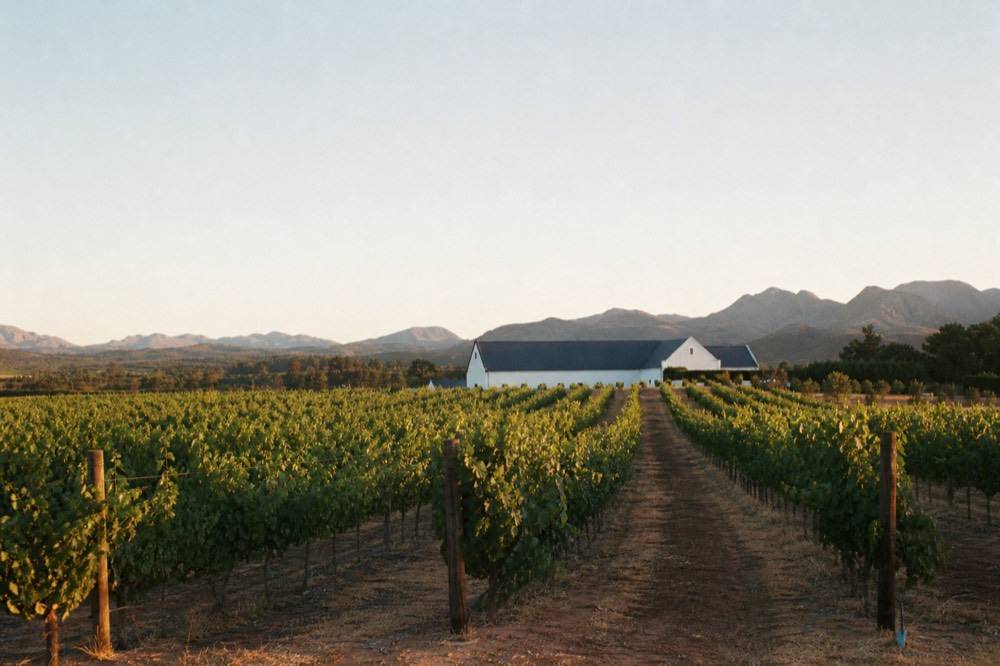
Boschendal, by contrast, is exactly the kind of place people picture: a historic estate in the Franschhoek and Drakenstein area with a landmark manor, gardens, restaurants and activities across a huge working farm, the vineyards a scenic slice of the whole. It is one of South Africa's oldest and largest estates by land, and it is a genuine visitor destination. Just note the geography: Boschendal is a Franschhoek-side estate, not a Stellenbosch one, a distinction that matters if you are planning a specifically Stellenbosch day. The full valley comparison sits in Stellenbosch or Franschhoek.
The largest Stellenbosch estates you can tour
Stellenbosch is South Africa's biggest wine district by importance rather than by any single giant farm, with more than 150 estates across eight wards and roughly 11,500 to 11,800 hectares under vine. Its largest visitor estate is Spier, one of the oldest and biggest, sitting on about 650 hectares of restored land with access to more than 700 hectares of contracted vineyards. It is built for visitors at scale. Big, and easy to tour.
Spier is the practical answer for a visitor who wants "large and impressive" without leaving the tourist Winelands. Its Stellenbosch estate spreads across restored renosterveld and fynbos with extensive public facilities, and it is a fixture on the Cape Town to Stellenbosch tour circuit precisely because it can absorb groups comfortably. It is also serious about the wine, with that repeat five-star Frans K. Smit red to show for it, as wine.co.za has reported through the Platter's results.
Beyond Spier, Stellenbosch's weight is in its concentration of top estates rather than one outsized farm. Kanonkop, Tokara, Delaire Graff, Simonsig and Rust en Vrede are all names that punch far above their acreage on quality, and the ranked rundown of the best wine farms in Stellenbosch walks through them. For the raw count behind the district, the blog on how many wine farms are in Stellenbosch has the numbers, and the named-estate quality question is settled in the piece on Warwick, Thelema and Tokara.
Which of the big estates should you actually visit?
For a tasting day, size is the wrong yardstick. Boschendal and Spier are large and visitor-friendly, but so are smaller icon estates that make better wine. The smarter plan is a guided day that reaches several estates across the valleys, so you sample scale and quality without gambling your whole trip on one giant farm. Let the day's route do the sorting. Reach beats size.
The estates are dispersed and not walkable between each other, and South Africa's drink-driving limit is 0.05 (0.02 for professional drivers), which a tasting flight clears faster than most visitors expect. That is the real argument for a driver: you get to see the landmark estates and the boutique ones in a single day without once worrying about the road. A classic full-day loop from Cape Town does exactly that across Paarl, Franschhoek and Stellenbosch. You can compare the seats and check current dates and prices for the three-valley day, or look at the fifteen-wine, lunch-included version and check current dates and prices if you would rather have the meal built in.
For a wider national view of where the standout cellars sit, the blog on the best wineries to visit in South Africa is the companion read, and the history buffs' version, the country's oldest cellars, is covered in the oldest winery in Stellenbosch.
Common questions
So what is the single largest wine farm in South Africa?
By total land, Boschendal in the Franschhoek and Drakenstein area is among the largest single estates at about 2,240 hectares, though only around 200 are vines. By production volume, Namaqua Wines near Vredendal is the country's biggest producer. There is no one answer without choosing a measure.
Is the biggest producer the same as the biggest farm?
No. Namaqua Wines near Vredendal makes the most wine, with a combined capacity around 100,000 tons and more than 35 million litres sold worldwide, but it is a high-volume cellar on the remote West Coast, not a single sprawling estate. Land area and production are different measures.
What is the largest estate you can actually tour in Stellenbosch?
Spier is one of the largest and oldest visitor estates in Stellenbosch, on about 650 hectares of restored land with access to more than 700 hectares of contracted vineyards and extensive public facilities. It is a regular stop on Cape Town to Stellenbosch day tours.
Is bigger better for a wine tasting day?
Not really. Large estates are impressive and easy for groups, but plenty of smaller Stellenbosch icons make better wine. A guided day that visits several estates across the valleys gives you both scale and quality, rather than betting your trip on one giant farm.
Are the biggest farms near Cape Town?
The largest by land, Boschendal, and the large visitable Spier are both within reach of a Cape Town day tour. The largest producer, Namaqua near Vredendal, is hours away on the West Coast and is not part of the usual Winelands tourist circuit.