What Is Stellenbosch Most Famous For?
What is Stellenbosch famous for? Wine above all: South Africa's oldest wine region, the birthplace of Pinotage, benchmark Cabernet, a historic town.
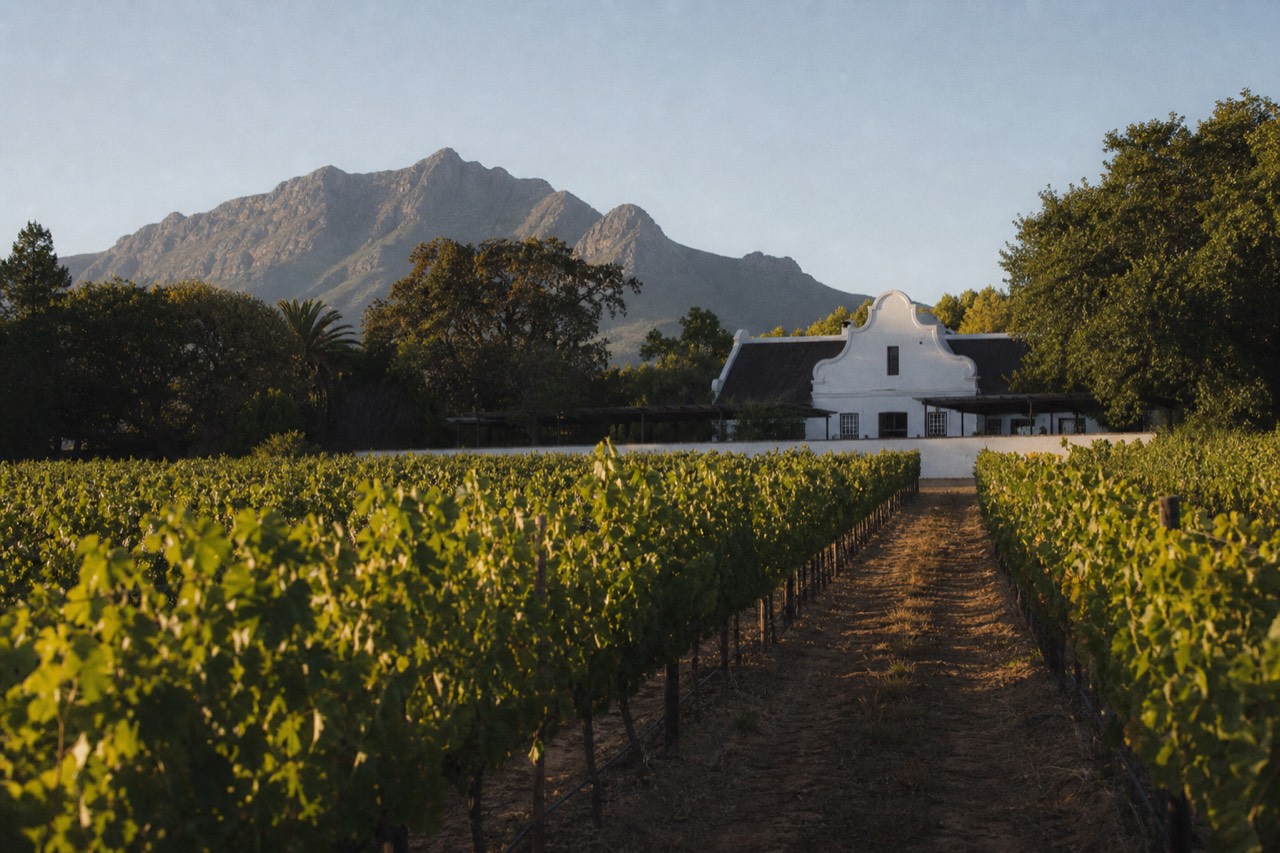
Say Stellenbosch to anyone who knows South Africa and they will say wine back. That reflex is earned. This is the country's oldest wine region, the home of its first organised wine route, and the place where its signature grape was actually invented. The town wears the fame lightly, in oak-lined streets and gabled cellars, but the record behind it is serious: benchmark Cabernet, world-ranked estates, and a university that bred a grape now grown across the Cape.
What is Stellenbosch most famous for?
Stellenbosch is most famous for wine. It is South Africa's oldest wine region, founded in 1679, home to the country's first wine route, launched in 1971, and the birthplace of Pinotage, the Cape's own grape. It is also known for world-class Cabernet Sauvignon, a historic Cape Dutch town, and Stellenbosch University, one of the country's leading institutions.
The wine fame is not a marketing line, it is a matter of record. Stellenbosch was the second European settlement in the country after Cape Town, and vines followed almost immediately, so the region has a longer winemaking history than anywhere else in South Africa. It went on to launch the country's first wine route in 1971, a template every other region copied. Layer on the town's preserved Cape Dutch architecture and a respected university, and you get a place famous for more than one thing, but famous for wine first. The wider list of things the town is known for fills in the rest.
| Famous for | The detail |
|---|---|
| Being the oldest wine region | Founded 1679, vines from the earliest years |
| The first wine route | Launched 1971, South Africa's first |
| Pinotage | The Cape's own grape, bred here in 1925 |
| Cabernet Sauvignon | The region's benchmark red |
| Cape Dutch architecture | Oak-lined Dorp Street and gabled cellars |
| Stellenbosch University | A leading South African university |
Why is Stellenbosch famous for wine?
Because it started South African wine as an organised industry and still leads it. The district holds more than 150 farms, the country's first wine route, and its densest cluster of award-winning estates. Its Cabernet Sauvignon, grown on decomposed granite soils cooled by False Bay breezes, is the national benchmark, and its estates dominate the country's top wine competitions year after year.
The reputation rests on both history and results. Stellenbosch built its name on structured, age-worthy reds, helped by soils of decomposed granite, shale and sandstone and the cooling maritime air off False Bay, a combination that suits Cabernet especially well. The early single-varietal Cabernets that set the standard came from Stellenbosch estates, Alto, Rustenberg, Kanonkop, Meerlust and Simonsig among them, once the Wine of Origin rules arrived in the 1970s. The quality is not just historical: the district keeps winning, and the ranked guide to the best farms shows how deep the bench runs. To taste the range in one outing, the classic full day crosses three regions in a single trip, and you can check current dates and prices against the ranked estates.
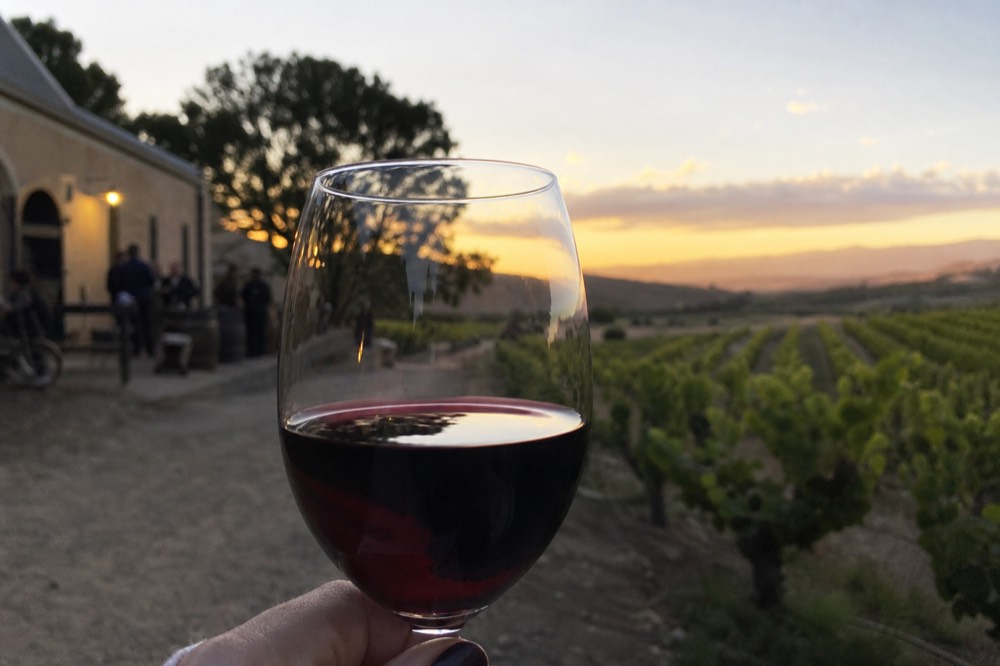
Is Stellenbosch the birthplace of Pinotage?
Yes. Pinotage, South Africa's own grape, was created in Stellenbosch in 1925 by Professor Abraham Izak Perold at Stellenbosch University's Welgevallen Experimental Farm, by crossing Pinot Noir with Cinsaut, then known locally as Hermitage. The grape has become a signature of the Cape, and 2025 marked its centenary with celebrations and tastings across the country.
This is Stellenbosch's single most distinctive claim. Perold noted the crossing in his diary in late 1924 and planted the seeds in 1925, and four seedlings from that experiment were later rescued and propagated into the variety now grown across South Africa. The story of the grape ties Stellenbosch to a wine no other country made first. Its 2025 centenary brought more than a hundred tasting events nationwide, and Stellenbosch estates featured among the winners of that year's top Pinotage competition, Warwick's The Black Lady Pinotage among them. Kanonkop, on the Simonsberg, remains the name most associated with taking Pinotage seriously as a fine wine, which the best-wine-from-Stellenbosch guide picks up in detail.
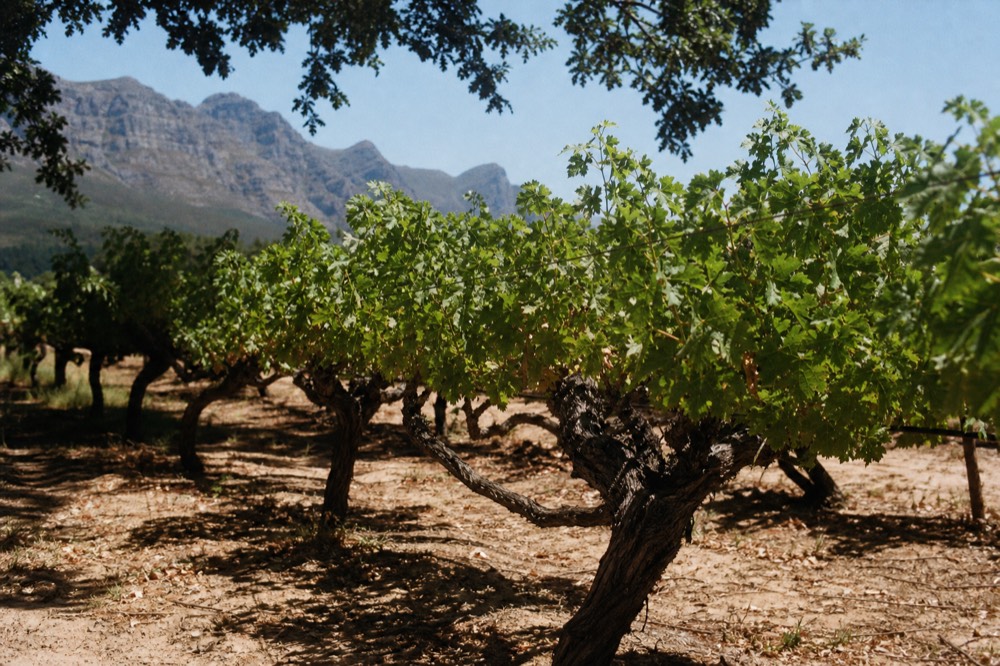
What else is Stellenbosch known for besides wine?
Beyond wine, Stellenbosch is known for Stellenbosch University, its well-preserved Cape Dutch and Georgian architecture, a top-tier restaurant scene, and the oak-lined historic town that gives it the nickname Eikestad, the town of oaks. It is also a gateway to the Jonkershoek mountains and a hub for South African food festivals through the year.
The university shapes the town as much as the vineyards do, filling it with students, bookshops and a lively cafe culture that a pure wine village would lack. The architecture is the other pillar: Dorp Street is one of the country's oldest and best-preserved streets, and the four-house Village Museum walks you through the town's early centuries. The food has become a draw in its own right, with estate restaurants collecting national awards, and the calendar fills with wine and food festivals, especially in late July and August. For the practical side of a visit, the guide to things to do in Stellenbosch and the verdict on whether the town is worth the trip cover the ground beyond the cellar door.
What wines is Stellenbosch best known for?
Four styles define it: Cabernet Sauvignon, the benchmark red; Pinotage, the local grape it invented; Chenin Blanc, the Cape's workhorse white made seriously here; and Bordeaux-style red blends. Recent results back the reputation, with a Stellenbosch Chenin Blanc taking South Africa's only Best in Show at the 2026 Decanter awards and the district leading the national red-wine rankings.
If you want to taste what Stellenbosch is famous for, these are the four to seek out. Cabernet is the flagship, structured and long-lived, and the region's blends built on it sit among the country's best. Pinotage is the emotional home wine, invented here and now made in styles from easy-drinking to serious. Chenin Blanc, long the Cape's most-planted white, has been revived as a fine wine through heritage old-vine plantings, and a Stellenbosch example took the top national honour at the 2026 Decanter World Wine Awards. A guided vineyard walk is an easy way to taste several of these in an afternoon on foot, and you can check current dates and prices beside the fuller three-region day. For the deeper dive, the best-wine-from-Stellenbosch guide ranks the styles and the estates behind them.
Common questions
What is Stellenbosch most famous for?
Wine above all. Stellenbosch is South Africa's oldest wine region, home to the country's first wine route and the birthplace of Pinotage, the Cape's own grape, bred at Stellenbosch University in 1925. It is also known for benchmark Cabernet Sauvignon, a historic Cape Dutch town and a leading university.
Is Pinotage from Stellenbosch?
Yes. Pinotage was created in Stellenbosch in 1925 by Professor Abraham Izak Perold at Stellenbosch University's Welgevallen Experimental Farm, crossing Pinot Noir with Cinsaut. It is South Africa's own grape variety, now grown across the Cape, and it marked its centenary in 2025.
What wine is Stellenbosch known for?
Cabernet Sauvignon is the benchmark red, and Bordeaux-style blends built on it are among the country's best. Pinotage is the local grape invented here, and Chenin Blanc is the standout white. A Stellenbosch Chenin Blanc won South Africa's only Best in Show at the 2026 Decanter World Wine Awards.
How old is Stellenbosch as a wine region?
Stellenbosch was founded in 1679, making it South Africa's oldest wine region and the second-oldest European settlement in the country after Cape Town. Vines were planted from the earliest years, and the district launched the country's first organised wine route in 1971.
Is Stellenbosch just about wine?
No. Wine is the headline, but Stellenbosch is also known for its university, its preserved Cape Dutch architecture, a strong restaurant scene and the oak-lined historic town nicknamed Eikestad. The Jonkershoek mountains on its doorstep add hiking and trail riding to the mix.