How to Spend a Day in Stellenbosch?
How to spend a day in Stellenbosch: a morning in the oak-lined town, two or three wine farms by afternoon, lunch in the vines, and how to do it without driving.
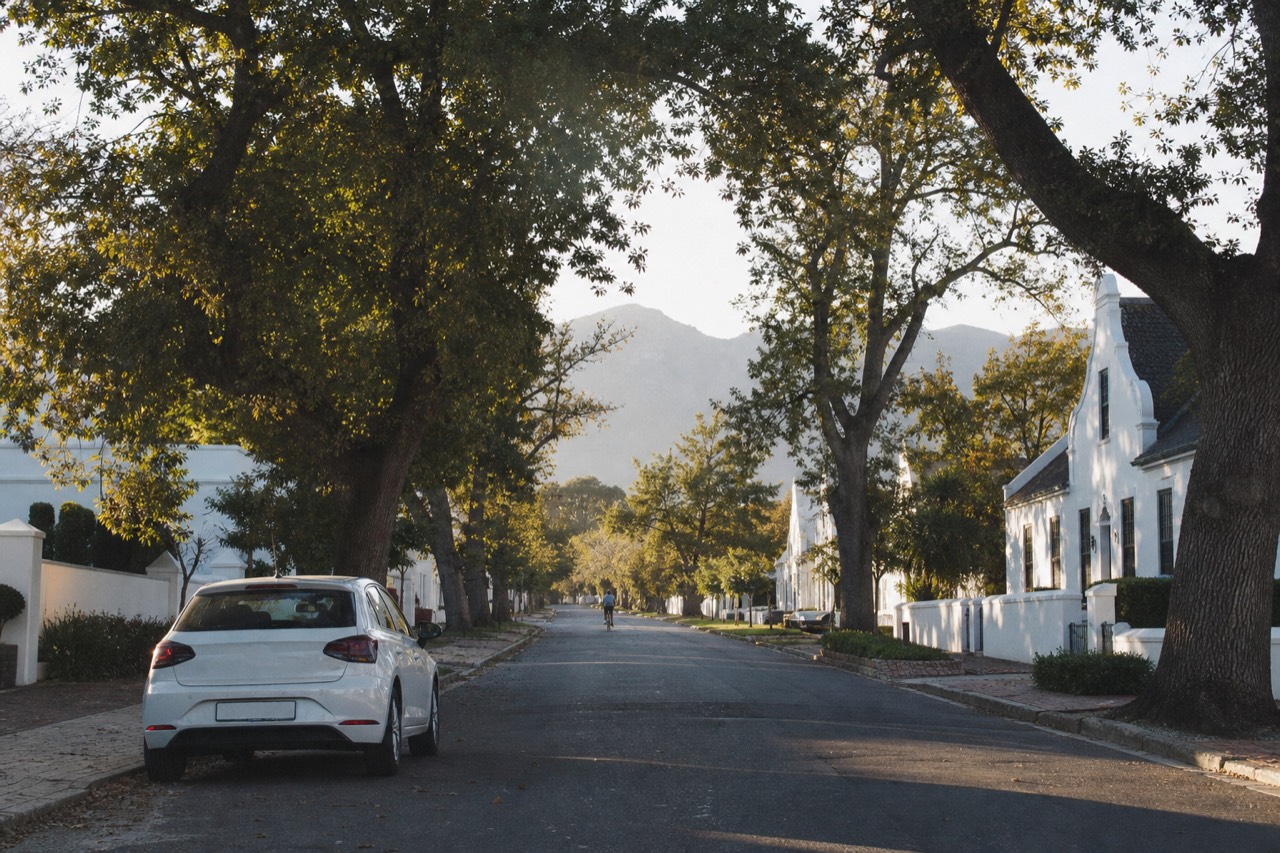
Stellenbosch gives you two very different days for the price of one, and the trick is fitting both into daylight. The town is the second-oldest European settlement in South Africa, a grid of oak-shaded streets and Cape Dutch gables you can cover on foot. The vineyards start almost at its edge but spread far enough that walking between them is out of the question. A good day works with that split rather than against it.
How should you spend a day in Stellenbosch?
Start in town on foot for the morning, taking in the oak-lined streets, the Cape Dutch architecture and a museum or two with coffee along the way. Move to the vineyards by late morning for two or three tastings and a long estate lunch. Since the farms sit apart and are not walkable, hand the afternoon's driving to a tour or a hired driver.
The shape almost designs itself once you accept the geography. Mornings suit the town, when it is cool, quiet and walkable, and cellar doors are just opening. Afternoons suit the vines, when the light is long and lunch on a terrace is at its best. The one decision that shapes everything is transport, because the estates are spread across valleys linked by winding roads, and a tasting day means somebody cannot drink. Build the day around that and the rest falls into place. The things to do in Stellenbosch guide fills in the town-side detail if you want more than a morning there.
Morning: town first, or straight to the vines?
Take the town first. Stellenbosch's centre is genuinely walkable, unlike the farms, so use the cool early hours for it: coffee on Church Street, a wander through the Village Museum and Dorp Street's old facades, and a browse of the galleries and bookshops. Aim to finish in town by late morning, when the tasting rooms hit their stride and the day warms up.
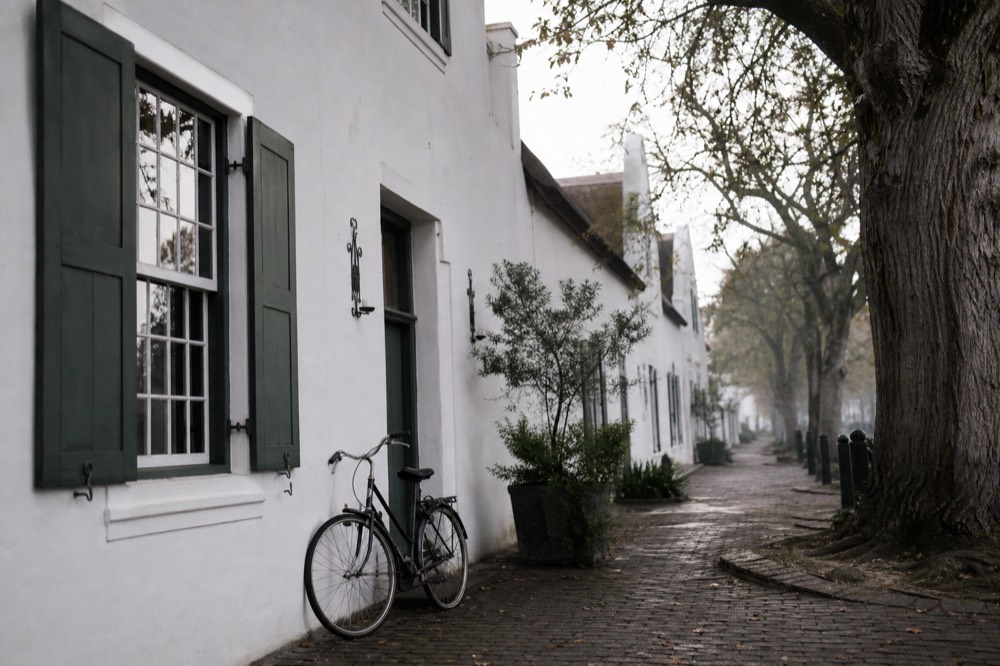
The town rewards a slow start. Dorp Street is one of the oldest streets in the country, lined with restored Cape Dutch and Georgian buildings, and the Village Museum walks you through four period houses in a single block. There are craft coffee roasters, student-town bookshops and enough public art to fill an hour without trying. Because the centre is compact and flat, you can see the best of it in two or three hours on foot, which is exactly the point covered in whether you can walk around Stellenbosch. Do the town while it is quiet, then let the vineyards have the afternoon.
Midday: how many wine farms fit one day?
Two or three estates is the honest answer for one day, not the five people imagine. The farms sit minutes apart but are spread across the valley, so travel and tasting time add up. Three tastings across an afternoon, with lunch between them, is a full and pleasant day. Four becomes a sprint, and more than that is more wine than most people want.
The mistake first-timers make is over-scheduling. On paper the estates look close, and some are, but each stop is a tasting of five or six wines plus the drive between, and the day fills faster than expected. Two or three well-chosen farms let you actually taste rather than tick. Pick a cluster and stay in it, since criss-crossing the region wastes the afternoon on the road. The map of how the farms cluster shows why a tight loop beats a scattered one, the best Stellenbosch wine farms guide names which estates earn a place on a short list, and the official wine route maps how the sub-regions connect into a day.
Afternoon: lunch and a last tasting
Build lunch into the middle of the afternoon at an estate restaurant, then finish with one more tasting rather than starting another sprint. Many Stellenbosch farms run destination restaurants with vineyard views, and a long lunch resets the pace after a couple of tastings. A wine-and-chocolate or cheese pairing makes a gentle, memorable last stop.
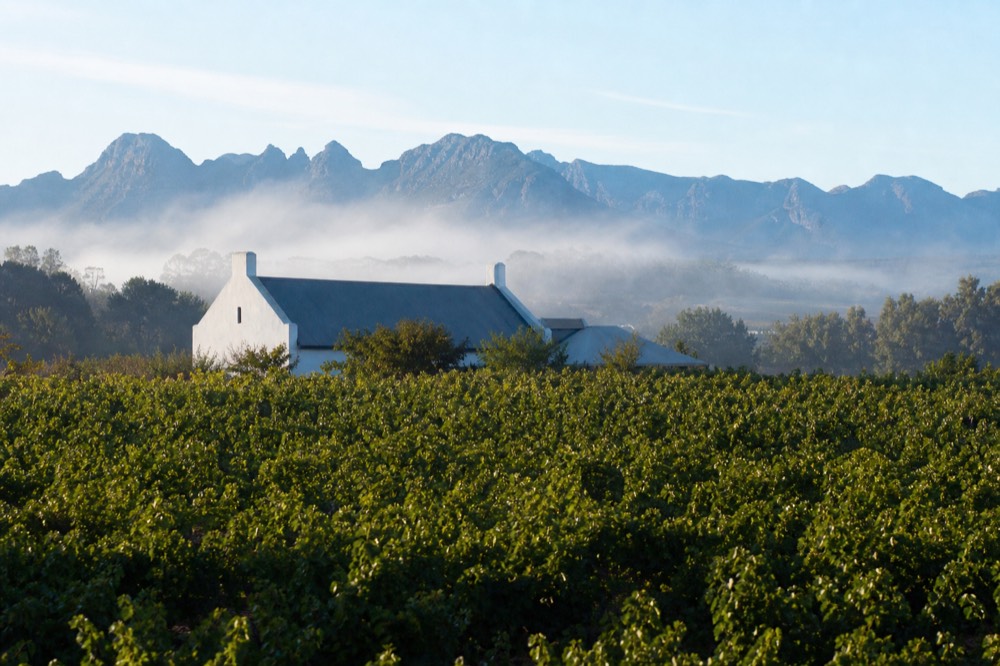
Lunch is where a Stellenbosch day earns its reputation. Several estates pair their cellars with proper kitchens, so a two-hour lunch on a terrace over the vines is not a break from the day, it is the centre of it. After that, one more relaxed tasting is plenty, and a pairing flight, chocolate, cheese or olives alongside the wine, is a softer note to end on than another full flight. A day like this rarely costs as little as people expect once the tasting fees, lunch and transport are counted, which the guide to what a tasting day really costs sets out in full. You can check current dates and prices on a shorter half-day if lunch and two tastings is all the day you want.
Can you do a Stellenbosch day without a car?
Yes, and for a tasting day it is the better choice. The farms are not walkable and a day of small pours climbs past the legal limit faster than most people expect, so a guided tour, a hop-on-hop-off pass or a hired driver all beat self-driving. A tour from Cape Town also handles the 30 to 45-minute run each way, so you never touch the wheel.
This is the one firm rule of a Stellenbosch day. South Africa's drink-driving limit is 0.05 grams per 100 millilitres, 0.02 for professional drivers, and there is no reliable way to judge your own level mid-afternoon. A move toward a zero-tolerance limit was announced in January 2026 but is not yet law, so 0.05 still stands, and the answer is simply not to drive. A guided day is the easiest version, picking you up and handling the route, while the hop-on wine tractor is the self-paced budget alternative. Either way, someone sober does the driving, which is why a guided day is worth it for most visitors. You can check current dates and prices on the full-day circuit that folds the town walk, three tastings and lunch into one booking.
Here is how a full day slots together once the town, the vines and the driving are lined up.
| Time | Where | What |
|---|---|---|
| 09:00 | Stellenbosch town | Coffee, Dorp Street, the Village Museum on foot |
| 11:00 | First estate | A seated tasting of five or six wines |
| 13:00 | Estate restaurant | A long lunch on a vineyard terrace |
| 15:00 | Second or third estate | A final tasting or a wine pairing |
| 17:00 | Back to base | Driven home, nobody at the wheel after tasting |
If a single day feels too tight, staying overnight in the winelands stretches the town and the vines across two easier halves. Whether staying over beats a day trip is its own question, and the case for whether Stellenbosch is worth visiting at all makes the argument for giving it more than a morning.
Common questions
How many wine farms can you visit in a day in Stellenbosch?
Two or three is realistic and enjoyable. Each tasting covers five or six wines, and the estates sit a short drive apart across the valley, so travel time adds up. Three farms with lunch between them fill an afternoon comfortably. Four becomes a sprint, and more is usually more wine than you want.
Is one day enough for Stellenbosch?
One day is enough for a good taste: a morning on foot in the town and an afternoon of two or three tastings with lunch. To slow down, add estate restaurants, or see more of the region beyond the wine, an overnight stay lets you split the town and the vines across two easier days.
Should you visit the town or the wine farms first?
The town first. Stellenbosch's centre is walkable and best in the cool morning, when it is quiet and the cellar doors are only opening. Move to the vineyards by late morning, when the tasting rooms are in full swing and lunch on a terrace is at its best. The order makes the most of both.
Can you spend a day in Stellenbosch without drinking wine?
Easily. The town has museums, galleries, historic streets, coffee roasters and gardens, and the surrounding hills offer walks and mountain-bike trails. Many estates are worth visiting for the food, views and architecture alone. A full day here works even if wine is not the focus, though most visitors fit in at least one tasting.
Do you need to book a Stellenbosch wine tour in advance?
In summer and on weekends, yes, especially for popular estates and lunch tables. A guided day handles the bookings for you as part of the price. In winter and midweek, walk-ins and last-minute tastings are far easier, though a tour still saves you the planning and the driving either way.