Is It Worth Staying in Stellenbosch?
Is it worth staying in Stellenbosch? The honest case for an overnight: estate dinners without a driver, walkable town, and when a day trip is enough.
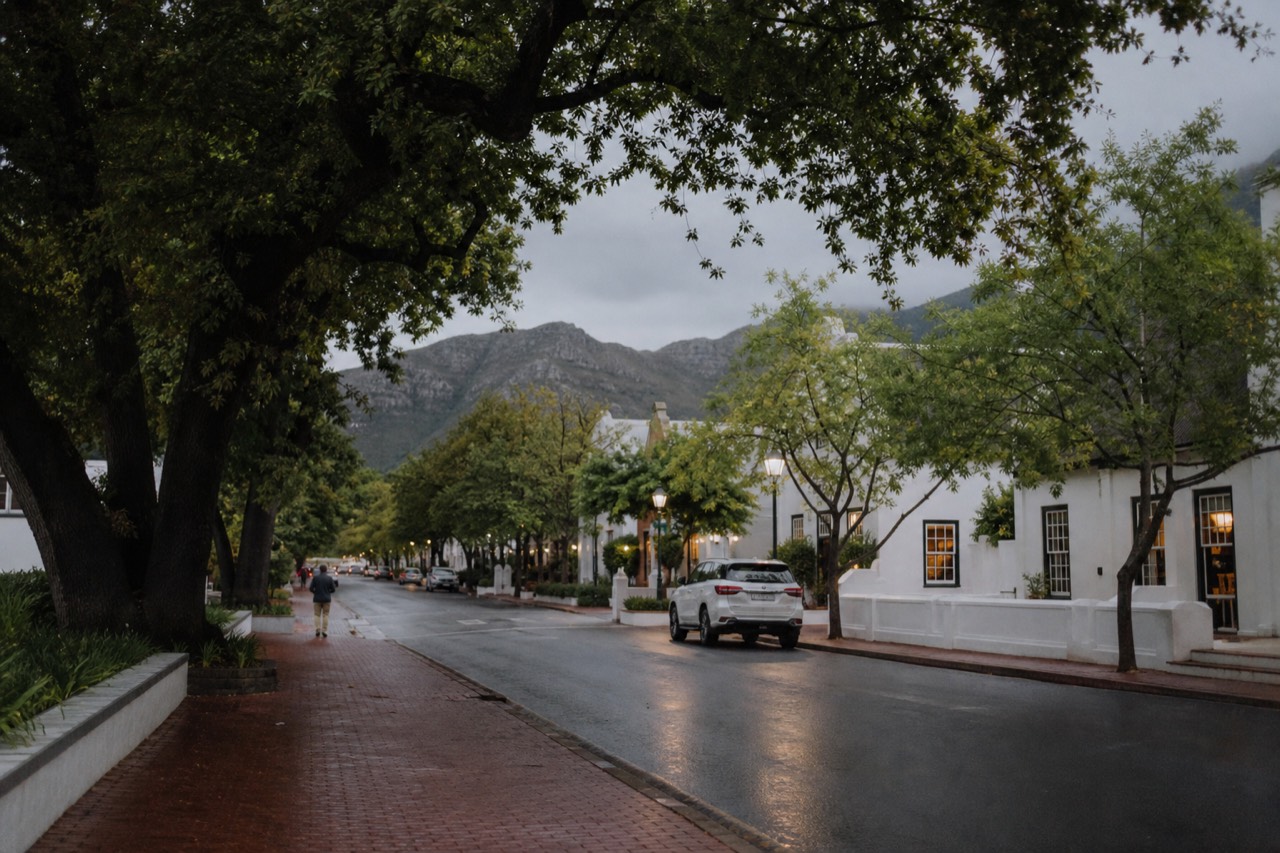
Stellenbosch is close enough to Cape Town that most visitors treat it as a day out: drive in, taste at a couple of farms, drive back before dark. That works, but it quietly wastes the best part of the town. Stay the night and the trip changes shape. You can order a bottle at dinner because nobody is driving to the coast, walk home along oak-lined streets, and be standing in a vineyard at eight in the morning while the day-trippers are still an hour away on the N2. The question is whether that upgrade is worth the extra night, and for most wine-minded visitors it is.
Is it worth staying in Stellenbosch?
Yes, for a wine or food trip. An overnight lets your whole group drink at dinner without a designated driver, puts you in a compact, walkable town full of good restaurants and bars, and buys quiet mornings in the vineyards before the tours arrive. A day trip from Cape Town only wins if you want one fast look at the region and accept an hour on the road each way.
The real value of staying is that it removes the driver from the equation for the whole visit, not just one afternoon. On a day trip, someone forfeits the tasting to drive back to the city; on an overnight, everyone tastes, and dinner comes with wine instead of a designated sober driver watching the clock. That single change is why people who plan a proper winelands trip almost always sleep in the region rather than commute to it, a case laid out in full in the guide to wine farms with accommodation.
| Where you base yourself | Upside | Trade-off |
|---|---|---|
| In Stellenbosch overnight | Drink at dinner, walkable town, early vineyard mornings | An extra night's cost |
| Day trip from Cape Town | City base, more nightlife, no second hotel | An hour-plus on the road each way, a sober driver needed |
What do you get by staying the night?
Three things a day trip cannot give you: dinner with wine and no driver, a walkable town of restaurants and bars on your doorstep, and soft early light on the vineyards before the crowds. Stellenbosch also has some of the Cape's best estate restaurants a short ride away, so an overnight turns a tasting day into a proper food-and-wine break.
Dinner is the clearest win. Some of South Africa's top-rated restaurants sit on the wine farms around town, and staying means you can eat at them and drink properly. The Jordan Restaurant with Marthinus Ferreira and Rust en Vrede each held two stars at the 2026 Eat Out awards, the country's toughest judging, and both are working estates rather than town restaurants; the run-down of wine farms with restaurants covers the full field. Back in town, the streets are dense with places to eat and drink, and the centre is small enough to walk, which the piece on walking around Stellenbosch explains. Mornings are the quiet bonus: tasting rooms open before the day tours reach the valley, so a stay buys you the farms at their calmest.
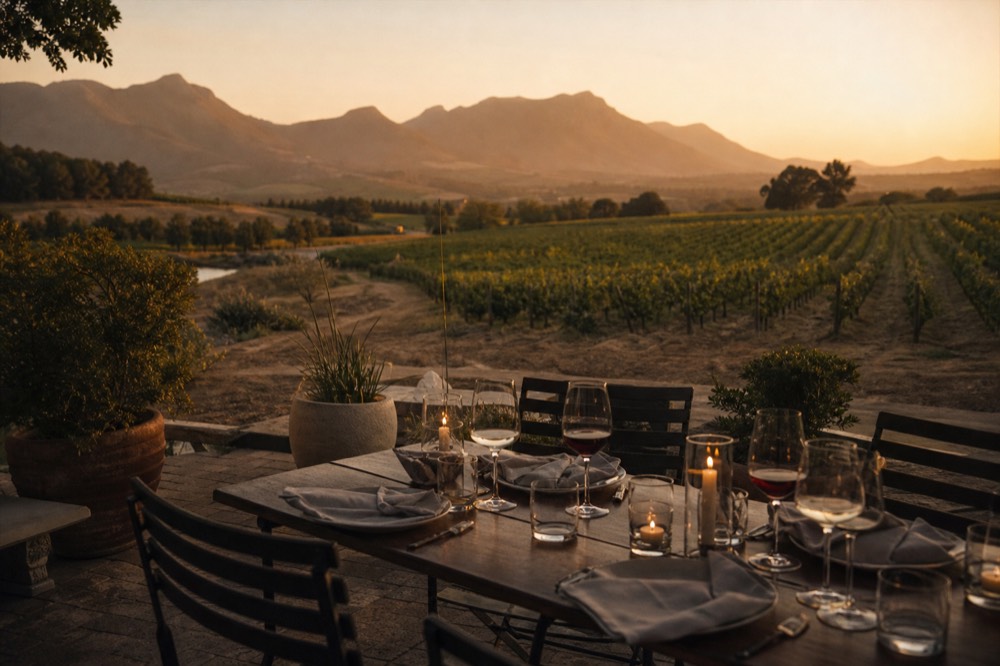
For couples and small groups who want the day itself shaped around them, with pickup from the door and the tasting fees folded in, the private full day is the match for an estate or town base. You can check current dates and prices before you plan the route.
When is a day trip enough instead?
A day trip is enough if you have only a spare afternoon, want a single quick look at the region, or already have a sober driver and one or two stops in mind. It also makes sense if your trip is short on nights and heavy on Cape Town itself. In those cases, a guided day from the city handles the driving and gets you back without a second hotel bill.
Staying over is not the right call for everyone, and it is worth being honest about that. If you are in the Cape for a few days with a packed city list, a guided winelands day is the efficient way to see the region without giving up a night in town. The three-region full day is the option most first-timers land on, because it turns the whole logistics problem, the route, the tastings, the driver, into a single booking from your Cape Town hotel. The wider comparison of a private car against a shared van helps if comfort and control matter more than price.
Is Stellenbosch town itself worth the time?
Yes. Beyond the farms, Stellenbosch is a historic university town with oak-lined streets, Cape Dutch architecture, museums, galleries and one of the best restaurant scenes in the country. It is compact and walkable, so an evening and a morning fill easily. Even wine aside, the town earns a stay, which is why so many visitors regret treating it as a drive-through.
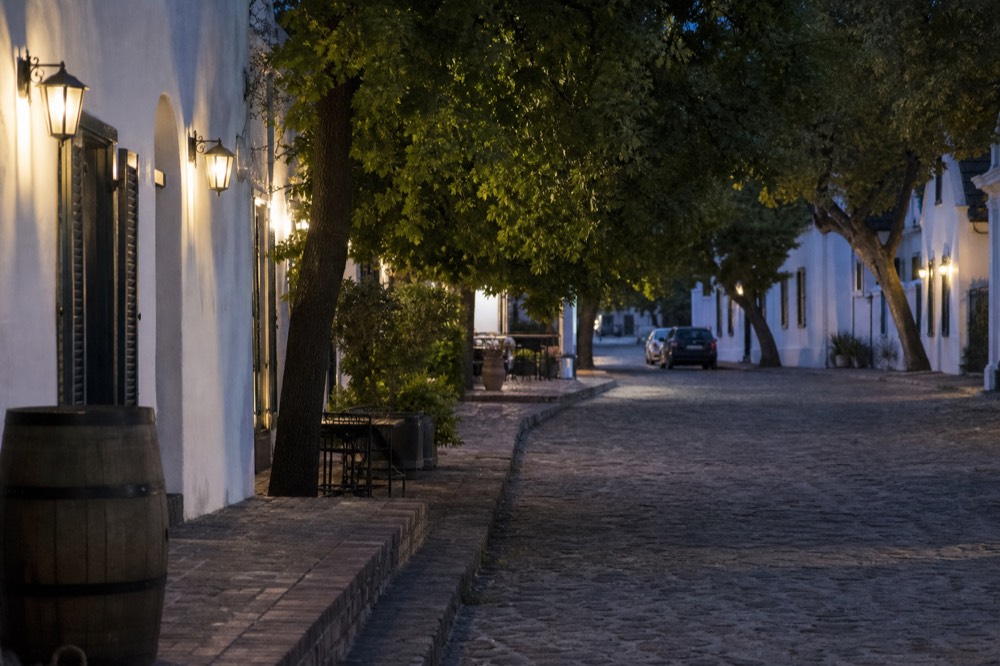
The town is a genuine reason to linger, not just a base for the vineyards. Founded in 1679, it is South Africa's second-oldest European settlement, and the centre keeps its character, whitewashed gables, working cafes and student energy, with tasting rooms and galleries on the same streets as the restaurants. There is more to do than drink, as the guide to things to do in Stellenbosch lays out, and the broader case for the town is argued in the blog on whether Stellenbosch is worth visiting. If you are still weighing the region against its neighbour, the comparison of Stellenbosch or Franschhoek helps decide where to spend your nights.
How does staying change the wine touring?
It lets everyone taste. With a room in or near the vines, a private tour collects you from the door, so no one in your group has to stay sober to drive, and the day can start earlier and end later. An estate or town base also makes the food-led days and pairings easier to fit in, since you are not racing an hour back to Cape Town at the end.
The practical gain is the driver problem solved for the whole trip. Stellenbosch's farms sit apart on winding roads and are not walkable, and a tasting flight reaches the 0.05 limit faster than people expect; a move to a zero-tolerance limit was announced by the transport minister in January 2026 but has not become law. Staying over means a door-to-door private day can pick you up locally and everyone can drink, and it makes the estates worth building a day around easier to reach at their quietest. If you would rather set the route and pace yourself with the fees handled in one price, the all-inclusive private option is the natural fit, and you can check current dates and prices for the shared full day if you want to compare it first. The region's own wine route lists the estates open to visitors across the valley.
Common questions
Is it worth staying overnight in Stellenbosch?
For a wine or food trip, yes. An overnight lets everyone drink at dinner without a driver, puts you in a walkable town of good restaurants, and opens quiet vineyard mornings before the day tours arrive. A day trip from Cape Town is enough only for a quick single look at the region.
Should I stay in Stellenbosch or Cape Town?
Cape Town suits a city-first trip with only a day for the winelands, while Stellenbosch suits a wine-and-food focus, since you can drink at dinner and taste early without an hour's drive each way. Many visitors split their nights, a few in the city and a couple in the vines.
How many nights should I spend in Stellenbosch?
Two nights is the sweet spot for most, giving you a full day of tasting, an estate dinner and a morning in town or the vineyards without feeling rushed. One night works for a taste of the region; three or more suit a slower food-and-wine holiday with day trips to Franschhoek and Paarl.
Can you do wine tours from Stellenbosch itself?
Yes. Private and small-group tours pick up in Stellenbosch as well as Cape Town, so an overnight base turns straight into a door-to-door day across several estates. Hop-on shuttle and tractor passes also run from the town for a more flexible, pay-as-you-go day.
Is Stellenbosch town safe and walkable at night?
The compact central area around the main streets is walkable and lively in the evening, with restaurants and bars close together, which is part of the appeal of staying over. As in any town, keep to the busier, well-lit streets at night and arrange transport for anywhere further out.