Stellenbosch or Franschhoek: Which Cape Winelands Town to Visit?
They sit half an hour apart and share a mountain range, yet the two most famous Winelands towns pull very different travellers. One is a big, buzzing wine town; the other a small, polished foodie village.
Short answer
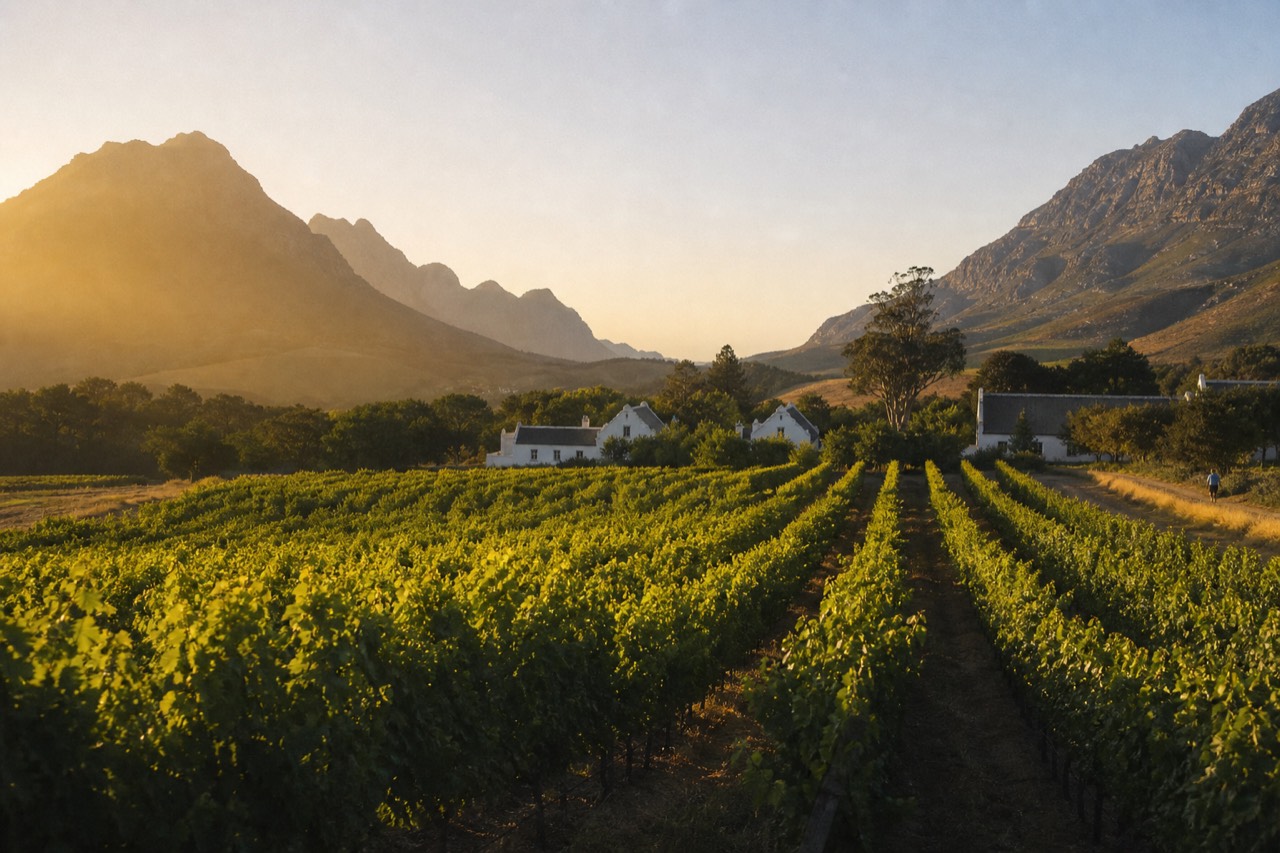
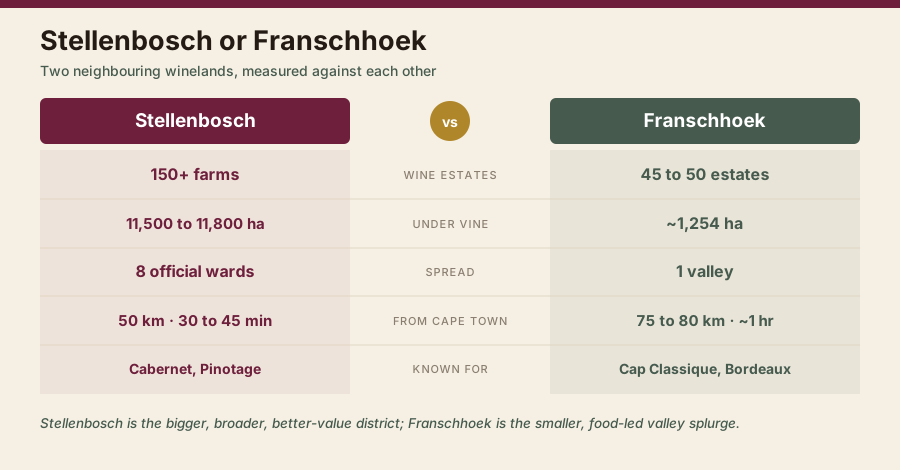
Choose Stellenbosch for a larger, livelier wine town with 150-plus estates, more variety and better value, ideal for a first visit or a wine-led day. Choose Franschhoek for an intimate, French-heritage food village with top restaurants and its scenic wine tram. They are 30 minutes apart, so many day tours simply do both.
Ask ten people who know the Cape Winelands whether to spend your day in Stellenbosch or Franschhoek, and you will get a split verdict and a lot of feeling behind it. The two towns are close enough to share weather and a mountain range, and different enough that the choice actually shapes your trip. One is a large historic university town wrapped in wine wards; the other a compact, restaurant-obsessed village that leans hard into its French heritage. Both are genuinely worth a day. This is how to tell which one is your day.
Stellenbosch or Franschhoek: which should you visit?
Visit Stellenbosch if you want the fuller wine town: 150-plus estates across eight wards, more casual and mid-range options, a lively student atmosphere and better value for a first trip. Visit Franschhoek if you want an intimate, polished food village with world-class restaurants and the scenic wine tram. They are 30 minutes apart, so the honest answer for many visitors is both, in one day, by tour. Neither is a wrong pick.
The short version most travel writers land on: Stellenbosch is broad, energetic and generous with choice; Franschhoek is small, refined and expensive at the top end. If wine and range are the point, Stellenbosch has more of everything. If a long, exceptional lunch is the centre of your day, Franschhoek is built for it. And because the two towns are commonly toured together, you rarely have to marry one and abandon the other. The classic full-day loops out of Cape Town treat the split as a false choice and take in the best Stellenbosch wine estates alongside Franschhoek and Paarl.
| At a glance | Stellenbosch | Franschhoek |
|---|---|---|
| Size and feel | Large historic wine and university town | Small, polished French-heritage village |
| Wine estates | 150-plus farms, 8 official wards | Close to 45 to 50 estates in one valley |
| Best known for | Cabernet, Pinotage, range and value | Fine dining, Cap Classique, Bordeaux blends |
| From Cape Town | ~50 to 52 km, ~30 to 45 min | ~75 to 80 km via Stellenbosch, ~1 hr |
| Signature way to tour | Guided tour or hop-on passes | The Franschhoek Wine Tram |
| Best for | First visits, wine-led days, value | Long lunches, couples, a splurge |
What is Stellenbosch like as a wine destination?
Stellenbosch is South Africa's oldest and most important wine town, founded in 1679, with more than 150 farms spread across eight official wards and over 100 cellar doors open to visitors. It carries the country's flagship Cabernet Sauvignon and its own grape, Pinotage, and mixes serious icon estates with casual, well-priced tastings. The scale is the appeal: no single day exhausts it. It is a wine region you return to.
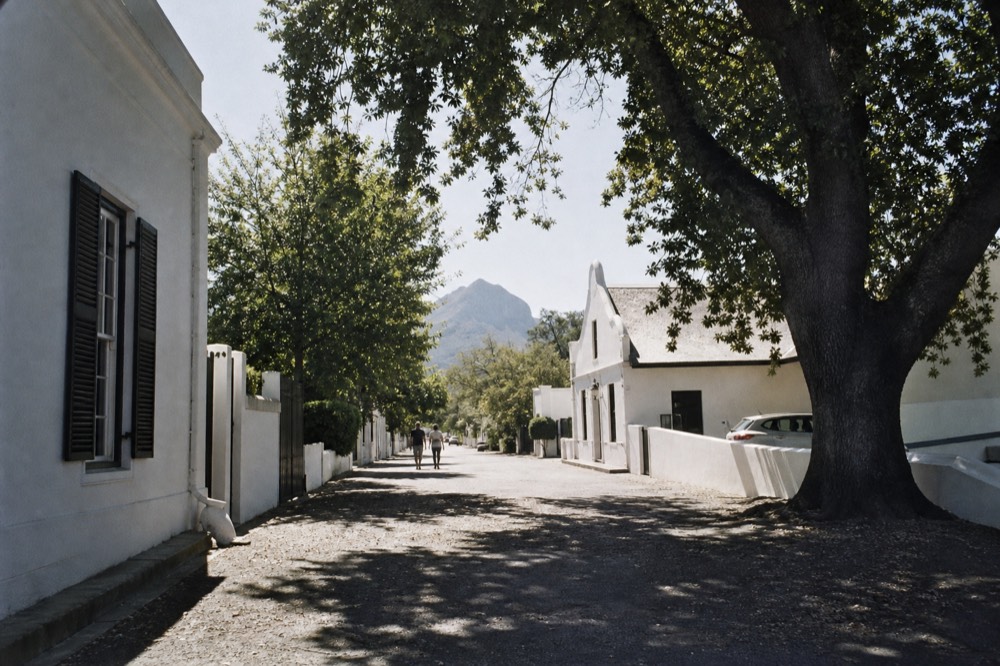
The town itself is an oak-lined, walkable historic centre with a busy student energy, cafes and galleries, wrapped by vineyards that climb the Simonsberg and Helderberg slopes. The estates are dispersed and not walkable between each other, so a tasting day means a driver or a pass, but the payoff is range: everything from a R100 flight to an icon Cabernet vertical, often at farms a few minutes apart. The official Stellenbosch Wine Routes site, the country's first when it launched in 1971, still maps the five sub-routes that structure a visit. For the full destination beyond the cellar doors, the guide to things to do in Stellenbosch covers the town, food and outdoors.
Value is the quiet advantage. Because Stellenbosch has so many estates competing, tasting fees stay reasonable and casual options are everywhere, which makes it the easier place for a first proper look at South African wine. If you want a curated route through the standout cellars, the ranked rundown of the best wine farms in Stellenbosch is the place to start, and the named-estate quality question is answered in the piece on Warwick, Thelema and Tokara.
What is Franschhoek like as a wine destination?
Franschhoek is a small, elegant valley village widely called South Africa's food and wine capital. It has close to 45 to 50 estates in a single tight valley, roughly 1,254 hectares under vine, and real strength in Cap Classique sparkling, old-vine Semillon and Bordeaux-style blends. Its scenic wine tram and its dense cluster of top restaurants are the draw. It trades Stellenbosch's scale for polish.
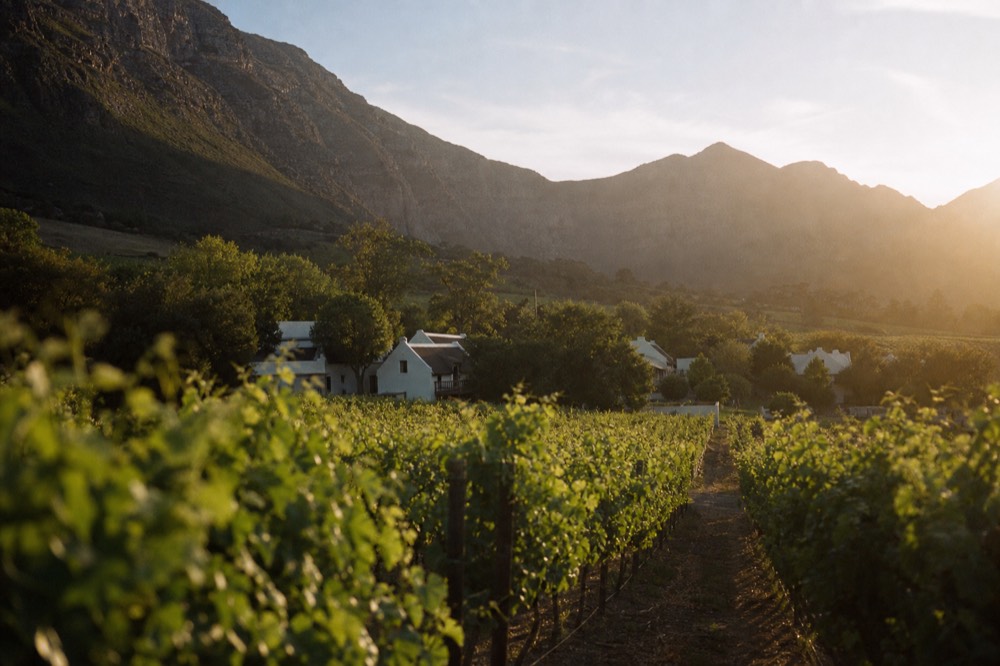
The village is compact and pretty, laid out along one main street of galleries, tasting rooms and restaurants, hemmed by mountains. That density is exactly why the Franschhoek Wine Tram works: the estates sit close enough for a fixed hop-on loop to serve them, which is a genuinely different experience from Stellenbosch's spread-out wards. Whether that tram earns its price is a fair question, and worth answering before you commit to one valley over the other. Franschhoek also skews upmarket, with the country's most celebrated fine-dining rooms and prices to match, and tables that book out weeks ahead in season.
There is a live edge to the valley in 2026 worth knowing. January 2026 wildfires burned more than 23,500 hectares around Franschhoek and damaged some properties, yet the village, most estates and the restaurants were operating again by February. The valley also opened South Africa's first fully black-owned wine farm, Klein Goederust, in December 2025. Franschhoek rewards a traveller who came for the table as much as the glass. If that is you, the shortlist of Stellenbosch and Winelands farms with restaurants spans both valleys.
How do Stellenbosch and Franschhoek compare on wine?
Stellenbosch is the bigger, more varied wine region, built on Cabernet Sauvignon, Pinotage and Bordeaux blends across 150-plus farms and eight wards. Franschhoek is smaller and more specialised, strong on Cap Classique sparkling, Semillon and Bordeaux blends across roughly 50 producers. Stellenbosch offers more range and more icon estates; Franschhoek offers a tighter, more curated valley. Both make world-class wine.
| Wine profile | Stellenbosch | Franschhoek |
|---|---|---|
| Estates / producers | 150-plus farms, 200-plus producers | ~50 active producers |
| Under vine | ~11,500 to 11,800 ha (district) | ~1,254 ha |
| Signature strengths | Cabernet, Pinotage, red blends | Cap Classique, Semillon, Bordeaux blends |
| Recent recognition | Tokara and Delaire Graff on World's 50 Best Vineyards 2025 | La Motte on the same 2025 list |
| Tasting fee feel | Wide range, strong value | Skews higher, more curated |
On critical recognition the two valleys run close. Stellenbosch's Tokara and Delaire Graff both made the extended World's 50 Best Vineyards 2025 list, and Stellenbosch estates dominated Platter's 2026 five-star tables, with Tokara's Pinotage named wine of the year and Simonsig taking three five-star wines. Franschhoek's La Motte earned a spot on that same global vineyards list. The difference is not quality, which both have in depth, but breadth: Stellenbosch simply fields more estates at the top level. For a national view of where both sit, the blog on the best wineries to visit in South Africa puts them in context.
One card is Stellenbosch's alone. Pinotage, South Africa's own grape, was bred at Stellenbosch University in 1925, and the district still treats Cabernet Sauvignon and Pinotage as its signatures in a way Franschhoek, for all its Cap Classique and Semillon, does not. If a distinctly South African red is what you came to taste, that tilts the wine argument toward Stellenbosch, though both valleys will pour you something worth the trip.
Which is better for food and restaurants?
Franschhoek wins on top-end dining. It markets itself as South Africa's culinary capital and delivers, with a dense run of celebrated restaurants and prices that climb fast, plus bookings needed weeks ahead in season. Stellenbosch has excellent estate restaurants too, but spread across a bigger area and with more casual, mid-range choice. For a landmark lunch, Franschhoek; for variety and value, Stellenbosch. Your budget usually decides.
The practical read is that Franschhoek concentrates fine dining into a walkable village, which is a real convenience when the meal is the day's centrepiece. Stellenbosch answers with estate kitchens scattered across the wards and a wider price ladder, from long tasting menus to a relaxed farm platter. If you would rather build the day around the table than the tasting bench, the estate-by-estate notes in the farms-with-restaurants guide and the chocolate, cheese and wine pairing rundown both help.
Which is cheaper, Stellenbosch or Franschhoek?
Stellenbosch is generally the better value. Its larger field of estates keeps tasting fees competitive and casual options plentiful, while Franschhoek skews higher, especially on dining and top-end tastings. On the Franschhoek Wine Tram, a full day of pass, tastings and lunch typically runs R1,000 to R1,800 per person. A guided full-day tour from Cape Town starts around $56 to $57 and folds transport in. Cost tracks the vibe.
| Cost line | Stellenbosch | Franschhoek |
|---|---|---|
| Standard tasting fee | Often R50 to R250, waived on purchase at some farms | Similar to higher, more premium flights |
| Signature way to tour | Guided tour or hop-on pass | Wine Tram day pass R350 to R500 |
| Typical all-in tasting day | Scales with tour choice | R1,000 to R1,800 (tram + tastings + lunch) |
| Guided full-day from Cape Town | From about $56 to $57 per person | Often visited on the same combined tour |
| Fine-dining spend | Wide range, strong mid-tier | Higher at the top end |
The nuance is that a guided tour changes the maths for both towns. Instead of paying the Cape Town transport yourself and stacking per-estate fees, the seat price bundles the driving and a tasting at each stop into one number, from about $56 on the classic circuit. The full worked example, tram versus tour versus self-drive, sits in the Winelands tasting cost guide, and the plain-answer version is the blog on whether the wine tours are worth the money.
Can you visit both Stellenbosch and Franschhoek in one day?
Yes, and most travellers do. The two towns are about 30 to 35 km apart, a 30 to 40 minute drive, and the majority of full-day tours from Cape Town deliberately loop Stellenbosch, Franschhoek and often Paarl in one 8 to 8.5 hour day. Splitting the day across two valleys is the standard, not the exception. A driver makes it painless. You do not have to choose.
The logistics are simple once someone else drives. The two towns and Paarl sit close enough to string together, and the legs below are what a combined day actually covers before it loops back to the city by early evening.
| Leg of a combined day | Distance | Time |
|---|---|---|
| Cape Town to first estate (Stellenbosch) | ~50 to 52 km | ~30 to 45 min |
| Stellenbosch to Franschhoek | ~30 to 35 km | ~30 to 40 min |
| Stellenbosch to Paarl | ~25 to 30 km | ~25 min |
| Full loop, door to door | Three valleys | About 8 to 8.5 hours |
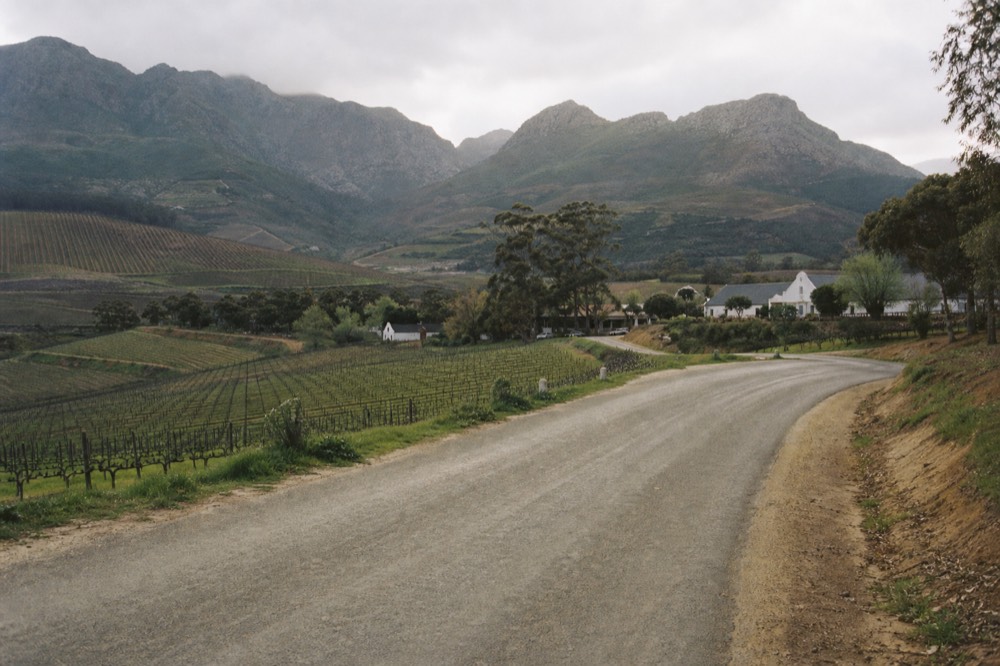
Because South Africa's drink-driving limit is 0.05 (0.02 for professional drivers) and a tasting flight climbs past it quickly, the both-in-a-day plan really only works with someone else at the wheel. The estates are dispersed and not walkable, and the drive between valleys is exactly the kind of thing you should not be doing after three tastings. A guided loop handles that cleanly, which is why the both-towns day is the most-booked shape of all. You can compare the seat prices and check current dates and prices for the classic three-valley loop, or look at the lunch-included version and check current dates and prices if you would rather have the meal built in.
If your instinct is to base in one town and roam, Stellenbosch is the easier home base for wine, and its case is made in full in the piece on whether Stellenbosch is worth visiting. Well-organised Stellenbosch wine tours reach both valleys anyway, so basing in Stellenbosch rarely means missing Franschhoek.
When is the best time to visit Stellenbosch or Franschhoek?
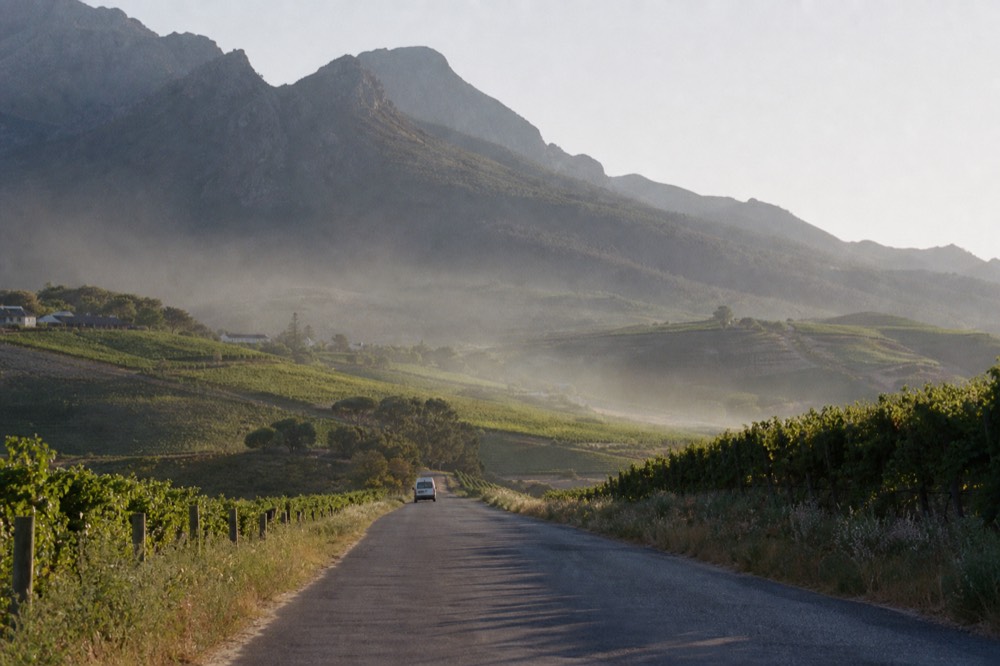
Both valleys share the Cape season, so timing is the same call for either town. Summer, December to March, is warm and busiest, aligned with Cape Town's peak, so book ahead. Winter, June to August, is cooler and quieter with easier walk-ins and sometimes lower prices. Spring and autumn are the gentle shoulders, with harvest running late January into April. Season sets the crowd, not the quality.
The practical read: if you want the valleys buzzing, come in summer and reserve everything in advance, because popular estates fill and Franschhoek's top tables book out weeks ahead. If you want calm and value, winter is the quiet season, cooler and rainier but far less crowded, and a good time for spontaneous tastings. Harvest is its own experience, with cellars in full swing, and some estates run harvest-themed visits that sell out fast. The full month-by-month picture, including festival dates, sits in the things to do in Stellenbosch guide.
| Season | Months | What to expect | Booking |
|---|---|---|---|
| Summer / high | Dec to Feb/Mar | Warm, lively, busiest | Book well ahead |
| Harvest | Late Jan to April | Cellars in full swing | Book ahead |
| Winter / quiet | Jun to Aug | Cooler, rainier, calm | Easier walk-ins |
| Spring / shoulder | Sep to Nov | Flowering vines, mild | Moderate |
Which town suits which kind of traveller?
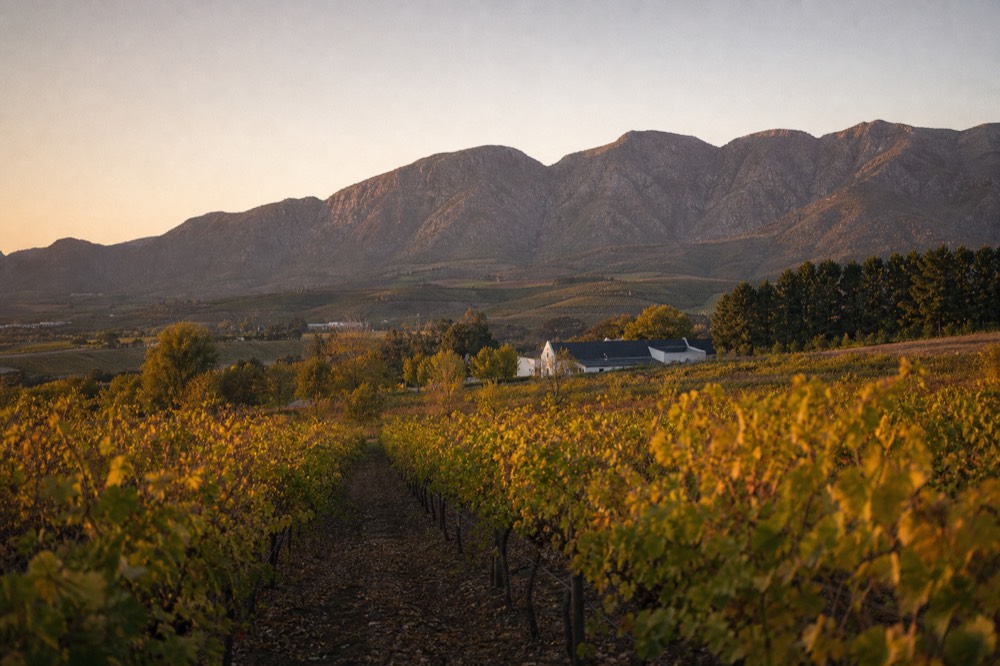
Stellenbosch suits first-timers, wine-led travellers, groups after value and anyone who wants range and energy. Franschhoek suits couples, food lovers, tram fans and those happy to pay more for polish. If you can only pick one and wine is the point, choose Stellenbosch; if the meal is the point, choose Franschhoek; if you want both, take a tour that loops the valleys. Match the town to your appetite.
There is more to each town than the glass, and the extras often tip a close decision. Stellenbosch spreads its appeal across a big historic centre and the outdoors; Franschhoek concentrates its into a walkable village of galleries and restaurants. The quick grid below covers what each offers beyond the tasting bench.
| Beyond the wine | Stellenbosch | Franschhoek |
|---|---|---|
| The town | Large historic centre, museums, student cafes | Compact village, galleries, one main street |
| Food | Wide range, casual to fine | Concentrated fine dining |
| Outdoors | Hiking and cycling, Jonkershoek nearby | Scenic valley walks, mountain passes |
| Signature extra | Wards to roam by car | The scenic Wine Tram |
| You are... | Better base | Why |
|---|---|---|
| A first-time Winelands visitor | Stellenbosch | More estates, more variety, better value |
| A couple after a landmark long lunch | Franschhoek | Denser fine dining, walkable village |
| Wine-led, want to cover ground | Stellenbosch | 150-plus farms, eight wards to explore |
| Set on the scenic tram experience | Franschhoek | The Wine Tram is built for its valley |
| Torn between the two | Take a tour | Full-day loops do both, 30 min apart |
There is no version of this where you end up somewhere disappointing. Both valleys make excellent wine, both are strikingly pretty, and both are close enough that a single day can hold them. The choice is really about which one leads: the big, generous wine town or the small, exacting food village. For the flag-planting take on Stellenbosch's own identity, the blog on what Stellenbosch is most famous for is a good last read before you book.
Common questions
Is Stellenbosch or Franschhoek better for a first visit?
Stellenbosch, for most first-timers. It has far more estates, a wider price range and a livelier town, which makes it the easier place to get a broad sense of South African wine in a day. Franschhoek is the better pick if fine dining, not range, is your priority.
How far apart are Stellenbosch and Franschhoek?
About 30 to 35 km, or a 30 to 40 minute drive over a mountain pass. They are close enough that most full-day tours from Cape Town simply do both, often adding Paarl, in a single 8 to 8.5 hour loop.
Which is more expensive?
Franschhoek, generally, especially on dining and top-end tastings. Stellenbosch's larger field of estates keeps tasting fees more competitive and casual options plentiful. On the tram, a full day of pass, tastings and lunch runs roughly R1,000 to R1,800 per person.
Can I do a stellenbosch wine tours day and still see Franschhoek?
Yes. The classic full-day tours from Cape Town are built to loop Stellenbosch, Franschhoek and usually Paarl in one day, with a tasting at each estate and the driving handled. You do not have to choose a single valley to have a full day.
Do I need a car to visit both?
No, and it is better not to drive yourself. South Africa's limit is 0.05, tastings add up fast, and the estates are not walkable between each other. A guided tour or a transfer means you can taste at both towns freely and leave the road to someone else.
Is the Franschhoek Wine Tram worth building a day around?
If Franschhoek is your choice and you like a self-paced loop, yes. It is scenic, low-stress and rated around 4.6 out of 5. If you want more than one valley or a Cape Town pickup, a guided tour covers more ground for a comparable spend.