What Are Some Unusual Things to Do in Stellenbosch?
Unusual things to do in Stellenbosch beyond the standard tasting: e-bike the back roads, walk the vineyards on foot, ride a wine tractor, taste by candlelight.
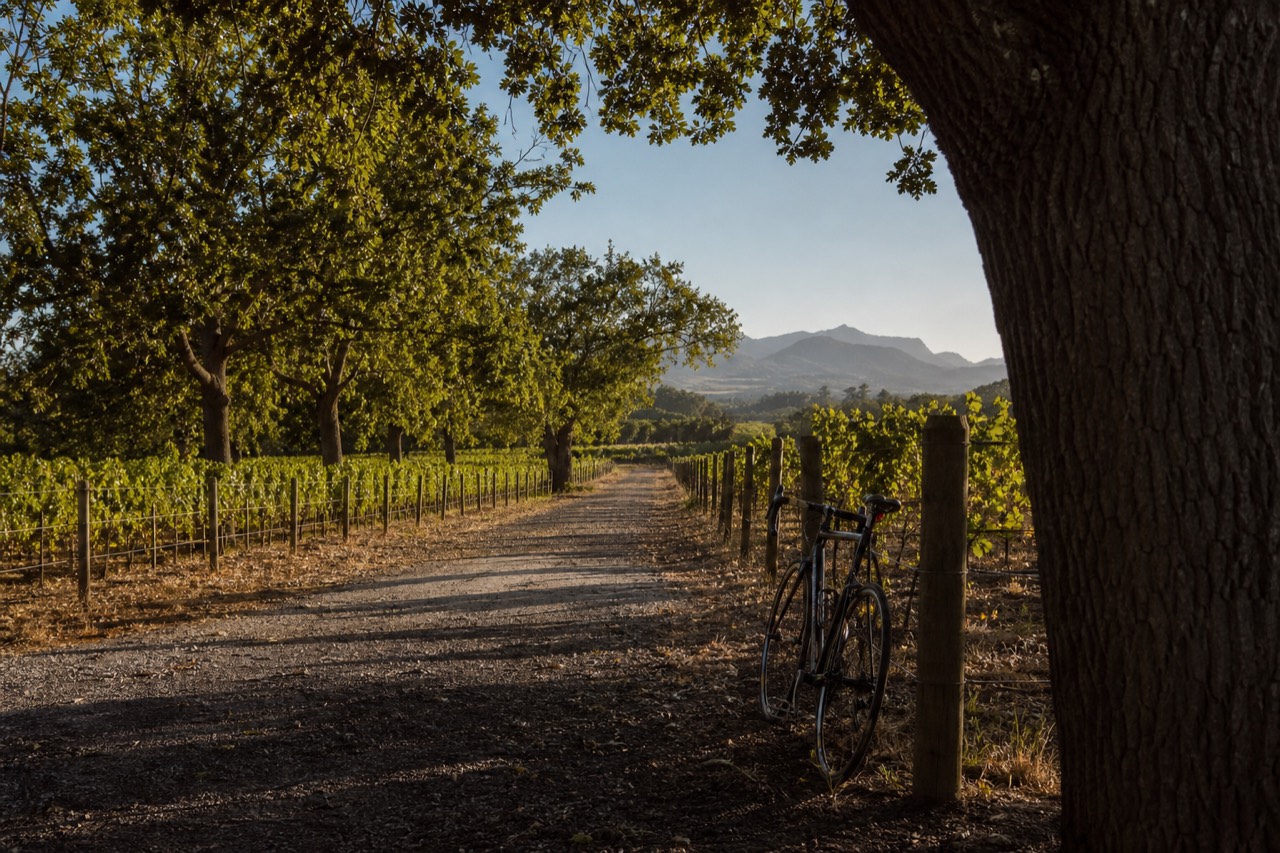
The default day in Stellenbosch is a tasting room, a flight of six wines and a drive to the next tasting room. It works, and most people are happy with it. But the valley has a stranger, more physical side that rarely makes the standard itinerary: bikes on the back roads, tastings on foot in the middle of the vines, a tractor that doubles as public transport, and cellars lit by candles because they predate the electric grid by centuries. If you have already done the classic circuit, or just want something the guidebooks skip, start here.
What counts as an unusual thing to do in Stellenbosch?
The unusual things swap the tasting-room chair for something more active or more atmospheric: a guided e-bike ride between farms, a walking tasting through private vineyards, a hop-on wine tractor, a candlelit cellar visit, or a wine-and-chocolate pairing. Most cost little more than a standard tasting and turn the day into an experience rather than a queue at a counter.
None of these are hard to arrange, and several are genuinely better than the version everyone books. The common thread is movement and setting. Instead of sitting still while wine comes to you, you move through the vineyards, or you taste somewhere that makes the wine feel older and stranger than it does on a polished counter. Here is the shortlist, with what each one actually is.
| Unusual thing to do | What it is | From (USD) |
|---|---|---|
| Vineyard e-bike ride | Guided electric-bike run linking two farms | Around $88 |
| Walking wine tasting | Guided walk through private vines, 8-plus tastings | Around $79 |
| Hop-on wine tractor | A tractor-and-trailer loop you board and leave | From around $25 |
| Candlelit cellar tasting | Tasting in a 1680s cellar by candlelight | Standard fee, book ahead |
| Chocolate and wine pairing | Wine matched with chocolate, cheese and olives | Varies by estate |
Can you tour the vineyards by e-bike?
Yes. A guided e-bike tour runs along the quiet vineyard back roads between two wine-farm visits, with an electric motor taking the sting out of the hills. Helmet, hotel pickup and a light meal are usually built in, so it suits anyone who wants the movement and the scenery without training for it. It is a half-day, active alternative to a van.
This is the pick if you want to feel the valley rather than just drink it. The back roads between the farms are exactly the kind of winding, oak-lined lanes that are miserable in a car park and wonderful on two wheels, and the motor means the climbs on the Simonsberg foothills stop being a reason to say no. You still taste at the farms, so it is a wine outing, just one where you have earned the glass by covering some ground first. It is one of the cycling and e-bike options out of town, and riders should note it runs best in the drier, milder months. If the idea lands, you can check current dates and prices for your date.
Is there a wine tour you do entirely on foot?
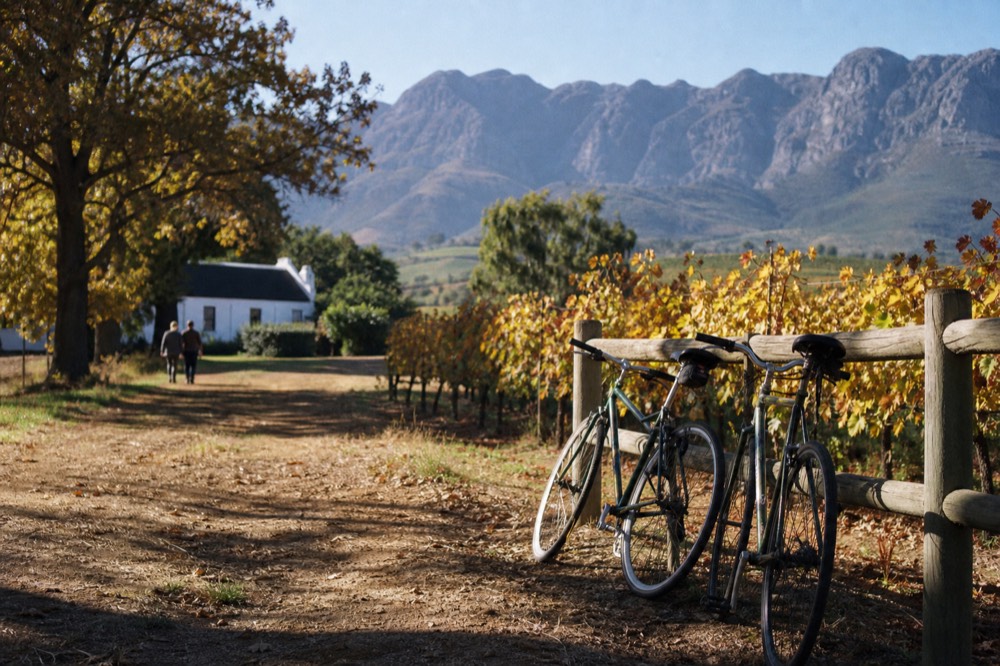
There is. A guided walking tasting takes you on foot through private vineyards for three to four hours, with more than eight tastings, snacks along the way and return transport at the end. It trades cellar-door hopping for time actually inside the vines, which is a slower, quieter and more unusual way to spend an afternoon than any drive.
Walking the rows changes the whole feel of a tasting. Instead of arriving, sitting, drinking and leaving, you move through the working vineyard, and the wine arrives where the grapes grow rather than in a room built for tourists. It is one of the few ways to see the vines up close without a car anywhere in the picture, which also settles the drink-driving question before it starts. For anyone asking whether you can walk around Stellenbosch at all, this is the answer that involves the most walking and the most wine.
If the walk appeals but you want to lock in a date, you can check current dates and prices on the eight-tasting vineyard walk, one of the hop-on and on-foot alternatives to a standard van tour.
What about the hop-on wine tractor?
The wine tractor is a tractor-and-trailer that loops a fixed set of estates while you hop on and off as you like, tasting at your own pace across the day. It is the cheapest and quirkiest way onto the farms, from around $25 for the ride, with tasting fees paid at each cellar door. On a fine day the open trailer is half the fun.
Part novelty, part genuine transport, the tractor solves the getting-between-farms problem in the most Stellenbosch way possible. You board, ride to an estate, taste, and catch the next trailer when you are ready, so the day sets its own rhythm. It costs a fraction of a guided tour up front because the wine is on you, which suits flexible, budget-minded visitors more than anyone on a schedule. There is a fuller take on whether the tractor is worth it if you are weighing it against a planned circuit.
Which estates offer more than a standard tasting?
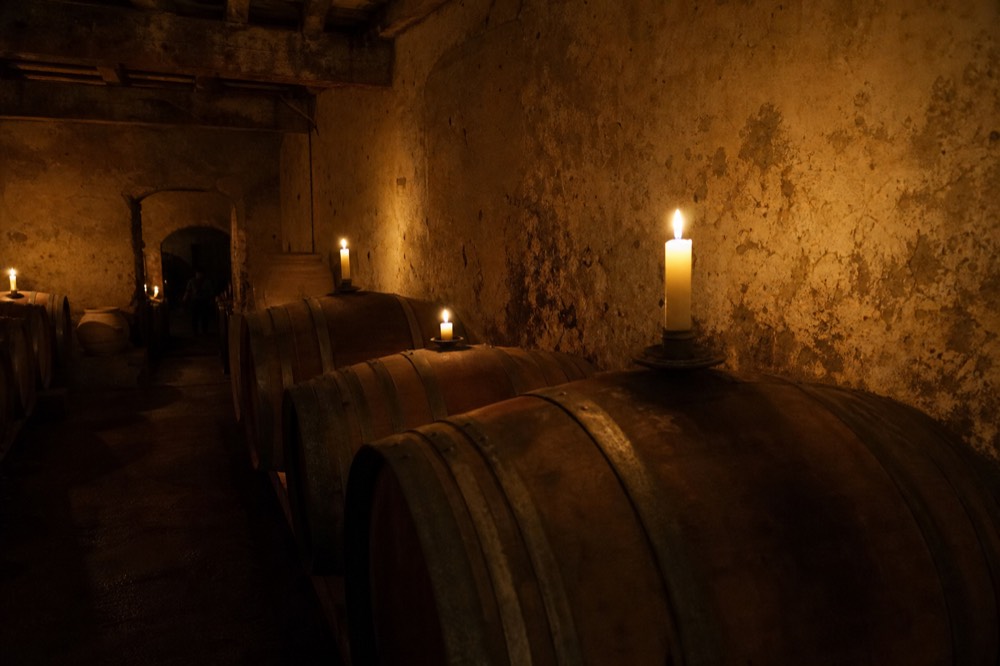
Several farms build the visit around atmosphere or food rather than a plain flight. Muratie pours in a candlelit cellar dating to the 1680s. Waterford is known for a wine-and-chocolate pairing rather than a straight tasting. Other estates match wine with cheese, biltong or olives. These pairing and heritage experiences are the easiest way to make a tasting memorable.
If the wine is the point but you want the setting to match, the older and more characterful estates deliver. Muratie's low, rough-walled cellar and candlelight lean hard into the farm's age, and the effect is closer to a cave than a showroom. Elsewhere, pairing tastings turn the visit into something between a tasting and a small meal, with chocolate, cheese, biltong or olives matched to each pour. The full spread of chocolate, cheese and wine pairings covers which farms do them well, and the ranked guide to the best wine farms in Stellenbosch flags the estates worth the detour for atmosphere alone.
What is genuinely new in Stellenbosch for 2026?
A few things are worth timing a visit around. Stellenbosch launched secure "Bicycle Park and Walk" facilities in the town centre in March 2026. The wider Wine Town Stellenbosch programme runs 25 July to 2 August 2026, marking 55 years of the wine route. And a nearby estate opened a striking new cellar door in late 2025 with Table Mountain views.
The town keeps adding reasons to visit that are not on the older maps. The new Bicycle Park and Walk scheme on Andringa Street answers a real parking squeeze and nudges the centre toward two wheels and two feet. Time a trip for late July and the Wine Town festival puts hundreds of wines and dozens of producers in one place, a very different experience from the quiet cellar-door circuit. One honest caution runs under all of it: whatever you taste, the drink-driving limit is 0.05, and a move toward zero tolerance was announced by the transport minister in January 2026 but has not become law, so the sober-driver rule still applies to every day out.
Between the active options and the quiet season, the valley has far more range than the standard tasting suggests. If you would rather build a fuller day around these ideas, the broader things to do in Stellenbosch and the Cape Town day-trip options both help you fit them into a trip.
Common questions
What are some unusual things to do in Stellenbosch?
Beyond a standard tasting, try a guided vineyard e-bike ride, a walking wine tasting through the vines, a hop-on wine tractor between farms, a candlelit cellar tasting at a 1680s estate, or a wine-and-chocolate pairing. Winter, June to August, also brings near-empty tasting rooms and fireside pours.
Can you cycle around the Stellenbosch wine farms?
Yes, on a guided e-bike tour that runs the quiet vineyard back roads between two farms, with an electric motor flattening the hills and a helmet and light meal included. It is a half-day, active alternative to a van, and it removes the drink-driving problem entirely.
Is the wine tractor in Stellenbosch worth doing?
For flexible, budget-minded visitors, yes. The tractor-and-trailer loops a fixed set of estates from around $25 for the ride, and you hop on and off tasting at your own pace, paying fees at each cellar door. It is quirky, cheap and best on a fine-weather day.
Where can you taste wine by candlelight in Stellenbosch?
Muratie, on the Simonsberg north of town, pours in a low candlelit cellar that traces its roots to the 1680s, one of the most atmospheric tasting settings in the valley. Book ahead, and treat the drive there as part of a Simonsberg cluster outing.
When is the quietest time to visit Stellenbosch?
Winter, June to August, is the quietest and cheapest window, with cooler weather, easy walk-ins and fireside tastings. Summer weekends fill the popular tasting rooms, so the off-season is the real hidden-gem time for having a cellar door almost to yourself.